Table of Contents (16 sections)
Smart gadgets have come a long way, revolutionizing the way we interact with technology in our daily lives. In 2026, the latest innovations in smart gadgets are reshaping not only consumer electronics but also how we manage our homes, workspaces, and personal health. With these advancements, businesses and consumers alike are witnessing an incredible transition toward more intelligent, efficient, and user-friendly devices.
What Are Smart Gadgets?
Smart gadgets are electronic devices that connect to the internet and can be controlled remotely. They are designed to perform tasks that typically require user intervention, thereby enhancing convenience and efficiency. Examples range from smart home devices like thermostats and security systems to wearable health technologies and smart assistants.
The importance of smart gadgets cannot be overstated. They support automation, provide customizable settings based on user preferences, and even integrate machine learning to enhance user experience. For instance, smart thermostats learn from user habits and adjust temperatures accordingly, leading to energy savings and increased comfort.
1. Increased Focus on Health and Well-being
In 2026, one noticeable trend in the realm of latest innovations smart gadgets is the incorporation of health-focused functionalities. With a growing emphasis on health and wellness, gadgets now offer advanced health-monitoring features. Devices like wearable fitness trackers not only track basic metrics such as heart rate and steps but now also monitor sleep patterns and provide insights into mental well-being.
According to a report, the wearable health tech market is expected to grow by over 25% annually, indicating a robust consumer interest in personal health management via technology. These gadgets are increasingly becoming vital in preventive healthcare, enabling users to take proactive steps in managing their health. Wearables can also pave the way for health professionals to monitor patients remotely, reducing the need for frequent doctor visits.
Analysis
As we progress further into 2026, the evolution of wearable technology, alongside data analytics capabilities, could create opportunities for personalized healthcare solutions. The intersection of healthcare and technology, with devices that can alert users about health conditions, signifies how critical these innovations are becoming.
GreatGadgets LLC Adjustable Laptop Stand For Desk, Stand Up Desk For Laptop With 360 Rotating Legs, Notebook Laptop Riser For Desk Adjustable Laptop
inspireuplift.com

Qukenk - 10.1 Inch Android 14 Tablet 2025 Latest Octa-Core Tablets, 64GB ROM+8(4+4)GB RAM, 2 in 1 Tablet with Keyboard
bestbuy.com
2. Enhanced Connectivity with IoT
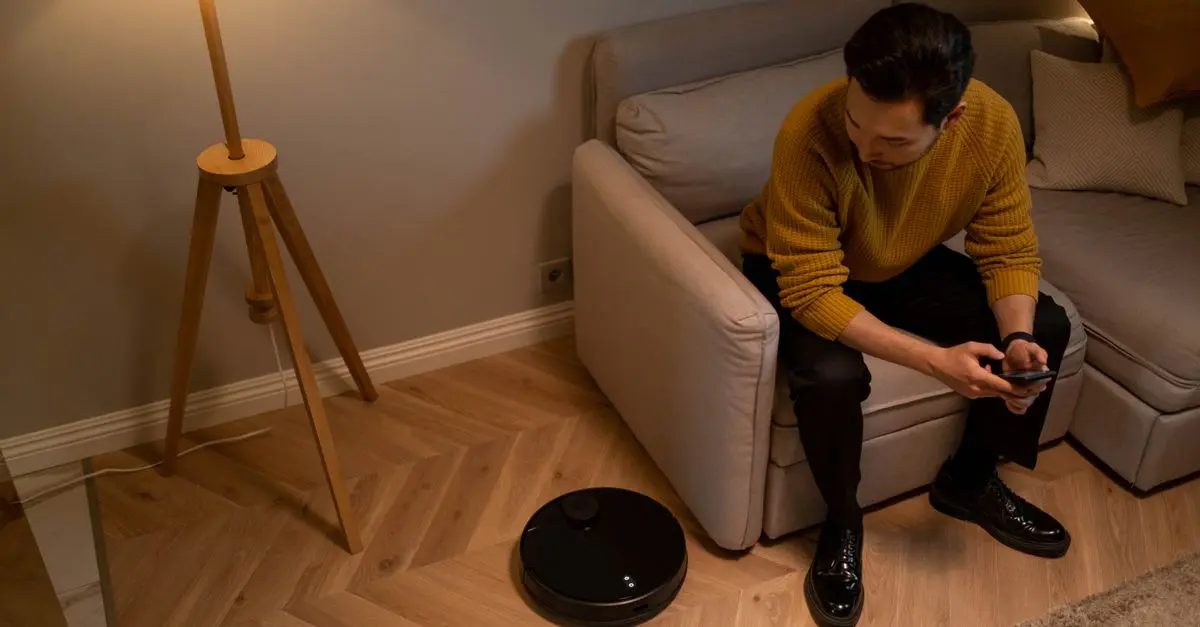
The Internet of Things (IoT) continues to lead smart gadget innovations, allowing for better connectivity among devices. This year, inter-device communication has become seamless, facilitating integrated ecosystems where gadgets work in synergy. For instance, smart home devices can connect to wearable devices, enabling features like health monitoring alerts or environmental adjustments based on physical activity.
In fact, it has been projected that the number of connected IoT devices will exceed 30 billion by the end of 2026. The increase in smart homes and workplaces is driving this trend, as consumers demand more efficient and functional living and working environments. Enhanced connectivity means that smart devices can store learning algorithms that allow continuous improvement of functionalities based on user habits.
Analysis
As IoT technologies continue to advance, it is crucial for users to remain cautious about privacy concerns. The more devices that are connected, the greater the risk of vulnerability. Best practices around data protection will become increasingly essential as the capacity and capabilities of these gadgets grow.
3. Sustainability and Eco-conscious Design
Another significant trend is the movement towards sustainability in smart gadget design. Environmentally conscious manufacturing processes and materials are becoming the standard, reflecting consumer demand for eco-friendly products. Innovations in this space include gadgets that use solar energy to operate and devices that provide energy consumption analytics to help users reduce their carbon footprint.
The global green tech market is anticipated to increase by 19% by 2028, showcasing the urgency in adopting sustainable practices. Companies are beginning to adopt circular economy principles, emphasizing recyclability and longevity of products rather than planned obsolescence.
Analysis
By prioritizing sustainability, brands are not only catering to environmentally aware consumers but also contributing to the larger fight against climate change. This shift highlights the potential for economic benefits alongside ecological responsibility, a trend that will likely continue to influence product development in the smart gadget sector.
4. AI Integration for Personalized Experiences
Artificial intelligence (AI) integration is transforming smart gadgets into more intuitive solutions that adapt to individual preferences and behaviors. AI-enhanced devices can predict user needs, offering personalized suggestions and automating processes to optimize daily routines. For instance, smart home assistants now include mood detection features, adjusting lighting and music based on the identified emotional state of users.
A study by Gartner concluded that by 2026, over 70% of consumer interactions with technology will involve a smart assistant. This integration streamlines the user experience, allowing for more natural engagement through voice commands or contextual actions without manual input.
Analysis
The evolution of AI capabilities signals a shift towards user-centric design, where every interaction is tailored to enhance satisfaction and efficiency. As these technologies develop, ethical considerations around user data management will be paramount, emphasizing transparency and security practices.
5. Smart Gadgets Designed for Remote Work
With the transition to remote work being a lasting change, smart gadgets designed specifically for home offices are on the rise. Innovations include adjustable ergonomic furniture integrated with technology to optimize workspace efficiency and connectivity, such as smart light sources that mimic natural daylight to reduce eye strain.
Data from Statista indicates that the remote work market will continue to grow, with an expected 30% of the workforce remaining remote or hybrid by 2026. This suggests a pressing need for tech solutions that facilitate productive work environments at home.
Analysis
These innovations highlight not only the adaptability of technology to meet changing work styles but also the importance of ergonomic design in enhancing productivity and comfort. The focus on creating conducive work-from-home experiences will likely lead to the emergence of new startups and products tailored for this booming market.
GreatGadgets LLC 45 Lock Miter Router Bit 45 Lock Miter Router Bit
inspireuplift.com

Qukenk - 2025 Latest Android 14 Tablet, Tablet 14GB RAM(8GB+6GB)+128GB ROM+1TB Expandable, Tablet 10.1 inch - Gray
bestbuy.com

Kimlok - Tablet 10 inch Android 14 Tablets 2025 Latest Octa-Core Tableta, 128GB+14GB+1TB Expand, Android Tablets with Keyboard - Gray
bestbuy.com
Conclusion
The smart gadget landscape in 2026 is characterized by a blend of technological advancements and evolving consumer expectations. Staying informed and proactive in these trends can empower individuals and businesses alike to benefit from the latest innovations ensuring they remain at the forefront of a connected and efficient future.
Checklist avant achat
- [ ] Identify the purpose of your smart gadget
- [ ] Research devices with health monitoring features
- [ ] Check for IoT compatibility
- [ ] Consider sustainability factors in product choices
- [ ] Evaluate AI capabilities for improved user experience
- What are smart gadgets?
Smart gadgets are devices that connect to the internet and automate tasks to enhance user convenience and efficiency.
- How do smart gadgets improve health?
They monitor various health metrics and provide insights that enable proactive health management.
- Why is sustainability important in smart gadgets?
Eco-friendly designs reduce environmental impact and cater to environmentally conscious consumers.
- What’s the future of AI in smart gadgets?
AI will continue to enable personalized experiences, with devices becoming more intuitive and responsive to user needs.
Glossaire
| Terme | Définition |
|---|---|
| IoT | Internet of Things, un réseau de dispositifs physiques connectés à Internet. |
| AI | Intelligence artificielle, technologie permettant aux appareils de simuler l'intelligence humaine. |
| Wearable Tech | Dispositifs portables qui surveillent la santé ou améliorent le bien-être personnel. |
> 📺 Pour aller plus loin : Exploring the Future of Smart Gadgets, an in-depth analysis of the latest innovations. Search on YouTube:
latest innovations in smart gadgets 2026.
📺 Pour aller plus loin : latest innovations in smart gadgets 2026 sur YouTube
Recommended products
Selected by our experts

Qukenk - 2026 Latest Android 14 Tablet, 2 in 1 Tablet 10.1 Inch, Tablets with Keyboard, 128GB ROM + 14GB RAM, Octa-Core
bestbuy.com

Qukenk - Tablet with Keyboard Android 14 Tablet 10.1 inch 2025 Latest 8GB RAM 64GB ROM Octa-Core, 2 in 1 Tablet with Case - Silver
bestbuy.com

MEIZE - 2026 Latest 11 inch Tablet, Android Tablets with 16GB RAM 128GB ROM 1TB Expand, Tablet with Keyboard, Octa-Core Pad - Gray
bestbuy.com

Kimlok - 2025 Latest Octa-Core Android 13 Tablet, 14(8+6) GB RAM 128GB ROM 1TB Expand Tablets 10 inch Tablet with Keyboard - Gray
bestbuy.com

MEIZE - Android 14 Tablet 2025 Latest 11 Inch Tablets, 128GB+16(8+8 Expand)GB/512GB Expandable, Octa-Core Tablet Newest
bestbuy.com

Kimlok - Tablet 10.1 inch 2025 Latest Android14 Tablet 128GB ROM+14GB RAM+1TB Expand Octa-Core Tablets with Keyboard
bestbuy.com