
Table of Contents (10 sections)
In the ever-evolving landscape of retail, smart shopping gadgets are reshaping how consumers engage with brands and products. As we enter 2026, these technologies are not just enhancing convenience but also elevating the overall shopping experience. From augmented reality (AR) devices to AI-enabled shopping assistants, understanding the role of these tools is crucial for businesses aiming to stay competitive in this dynamic market.
The Rise of Augmented Reality Shopping
Augmented Reality has taken the retail world by storm, providing customers with immersive shopping experiences that blend the digital and physical worlds. Retailers like IKEA and Sephora have successfully employed AR to allow users to visualize products in their own space before making a purchase. For instance, AR apps enable shoppers to virtually place furniture in their homes or try on makeup products, significantly enhancing consumer confidence.
By 2026, approximately 40% of consumers are expected to rely on AR for their shopping needs, according to a study by Statista. This integration of AR not only attracts customers but also increases conversion rates, as individuals are more likely to finalize a purchase when they can visualize a product's fit within their lives.
Why is this important? The key takeaway for retailers is that investing in AR technology can significantly improve customer satisfaction and reduce return rates, which have been a persistent issue in the industry.
Development of Smart Shopping Carts
Innovations in smart shopping carts are another trend that’s making waves in retail. Equipped with sensors, RFID technology, and smart screens, these carts can facilitate a smoother, more efficient shopping experience. They can keep track of items as they are added, suggest products based on shopping history, and even provide real-time inventory updates from the store.
For example, some retailers have started using smart carts that communicate with customers' smartphones, displaying personalized offers while they shop. This interface not only engages customers but also encourages impulse buys, boosting overall sales. As a result, we predict that the adoption of smart shopping carts will rise by 30% in the next year, driven by consumer demand for more seamless and personalized experiences.
Trend Toward Contactless Payments
The shift towards contactless payments has been accelerated by the global pandemic. By 2026, it is estimated that 70% of transactions in retail will be made through contactless means. Smart shopping gadgets, such as mobile wallets and digital payment apps, offer fast, secure, and hygienic ways to conduct transactions.
Notably, retailers incorporating contactless payment solutions have reported shorter checkout times and increased customer satisfaction. According to NFC World, the global mobile payment market is expected to surpass $1 trillion in transaction value by next year. As consumers continue to prioritize convenience, retailers must adapt by implementing these technologies to meet evolving customer expectations.
Integration of Artificial Intelligence
Artificial Intelligence (AI) is progressively shaping the retail shopping experience. From chatbots that handle customer inquiries to AI-driven inventory management, the applications of AI in retail are vast. In 2026, many retailers will employ predictive analytics to enhance decision-making and personalized marketing efforts.
Retail data analytics indicate that businesses utilizing AI have seen a 15% increase in efficiency. By analyzing consumer behavior and preferences, AI helps retailers tailor their offerings, thus enhancing customer engagement and driving sales. Retailers are also using AI to manage supply chains, monitor inventory levels, and forecast market trends, contributing to a more efficient operation.
Sustainability Through Smart Technologies
Sustainability is a growing concern among consumers, and smart gadgets are helping retailers address these issues. In 2026, eco-friendly shopping gadgets, such as reusable smart bags and energy-efficient vending machines, are gaining traction. These innovations not only reduce environmental impact but also resonate with consumers who prioritize sustainability.
For instance, retailers are rolling out reusable bags embedded with technology that tracks usage, encouraging customers to opt for eco-friendly options. According to McKinsey, 60% of consumers are willing to change their shopping habits to reduce environmental impact. This trend signals a significant opportunity for brands to differentiate themselves in a crowded marketplace by prioritizing sustainable practices and products.
Data Analytics and Personalized Shopping Experiences
Smart shopping gadgets are increasingly utilized to enhance personalization, with data analytics leading the charge. Retailers can collect data from smart devices to better understand consumer preferences and shopping patterns. This data-centered approach allows brands to tailor recommendations and promotions to individual customers, greatly enhancing the shopping experience.
Furthermore, studies have shown that personalized shopping experiences can lead to a 20% increase in sales. Smart gadgets equipped with data analytics capabilities can drive this personalization, ensuring that consumers receive relevant suggestions based on their previous shopping behaviors. As technology progresses, retailers must leverage these insights to stay competitive.
Q: What are smart shopping gadgets?
A: Smart shopping gadgets include devices like smart carts, AR applications, and AI assistants that enhance the retail experience.
Q: How does AR improve the shopping experience?
A: AR allows customers to visualize products in their environment before purchase, increasing confidence and reducing return rates.
Q: Why is contactless payment important?
A: Contactless payments offer a quick, secure, and hygienic option, and are increasingly preferred by consumers post-pandemic.
Q: How can AI be utilized in retail?
A: AI can be used for customer interactions, inventory management, and personalized marketing, improving efficiency and customer satisfaction.
Checklist avant achat
- [ ] Explore augmented reality options for your retail store.
- [ ] Assess the implementation of smart shopping carts.
- [ ] Consider integrating contactless payment systems.
- [ ] Evaluate AI solutions for better customer insights.
- [ ] Look into sustainable product options for your brand.
Glossary
| Terme | Définition |
|---|---|
| Smart Shopping Gadgets | Dispositifs technologiques qui améliorent l'expérience d'achat dans le commerce de détail |
| Augmented Reality (AR) | Technologie qui superpose des éléments numériques à la réalité physique lors de l'interaction avec des objets |
| Contactless Payment | Méthode de paiement permettant de réaliser des transactions sans contact physique entre les appareils |
> 📺 Pour aller plus loin : Explore the future of retail technology, a comprehensive review of how technology is reshaping shopping. Search YouTube for: "smart shopping technology 2026".
As we navigate an increasingly tech-driven retail landscape, embracing smart shopping gadgets will be paramount for businesses aiming to thrive in this arena. The future of shopping is here, and it's smart. Discover our recommended products below for a seamless retail experience.
📺 Pour aller plus loin : smart shopping technology 2026 sur YouTube
Recommended products
Selected by our experts

Sac Shopping Arthur & Aston noir en cuir
3 Suisses FR
This stylish black shopping bag is perfect for eco-conscious consumers who appreciate both aesthetics and functionality.
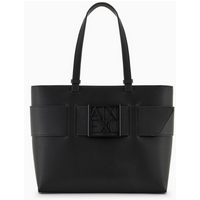
Sac shopping S noir
3 Suisses FR
An elegant black shopping bag that combines sophistication with practicality for your smart shopping needs.

Sac shopping L noir
3 Suisses FR
This large black tote is an ideal storage solution for any shopper looking to blend style with utility.