Table of Contents (14 sections)
As technology continues to evolve at a breakneck pace, the world of smart gadgets is transforming how we live, work, and interact. In 2026, the integration of intelligent systems into everyday devices is not just a trend; it's a shift towards a smarter, more interconnected lifestyle. This article delves into the five most compelling smart gadget trends to watch, highlighting their implications for consumers and the technology landscape.
Trend 1: AI-Powered Personal Assistants
AI-powered personal assistants have become a household staple, evolving from simple voice-activated systems to intuitive companions. These smart gadgets can manage schedules, control other smart devices, and even offer personalized recommendations based on user behavior. According to a recent report by UFC-Que Choisir, 65% of households now have some form of AI assistant integrated into their daily routines, vastly improving efficiency and convenience.
In 2026, expect these assistants to become even more advanced, utilizing machine learning algorithms to predict preferences and needs. For instance, a personal assistant could suggest meal plans based on dietary restrictions and past meals or automate household chores by scheduling robot vacuums when the home is unoccupied. The rise of AI in personal assistants is redefining the concept of home management, empowering users with enhanced control over their environments.
Analysis of AI-Powered Personal Assistants
The increasing reliance on AI assistants indicates a broader trend toward digital autonomy. This evolution not only enhances productivity but also raises questions about privacy and data security. Consumers are becoming more conscious of what personal information is shared and how it is used, signaling the need for transparent practices from providers.
Trend 2: Wearable Health Technology
Wearable technology has seen a significant leap forward, particularly in health monitoring. Devices like smartwatches and fitness trackers are capable of tracking everything from heart rate and sleep patterns to more advanced metrics like blood oxygen levels and ECG readings. Today's wearables provide real-time health insights and can even alert users to potential health events. According to Les Numériques, wearable technology is projected to grow by 20% annually over the next few years, driven by an increasing consumer focus on health and wellness.
In 2026, wearables will not only monitor health but also proactively engage users with feedback tailored to their daily activities. For example, an advanced smartwatch could integrate with meal planning apps to suggest dietary changes based on physical activity levels. This shift towards health-centric technology empowers individuals to take proactive steps in managing their health, paving the way for a more health-aware society.
Analysis of Wearable Health Technology
The shift towards wearable health tech signifies a transformative approach to personal health management. As more individuals utilize these devices, public health implications may arise, including a greater emphasis on preventative healthcare. This trend opens up discussions surrounding data privacy and the ethical implications of health tracking technologies.
Uplifted Trends Breathable Zero Pressure Cervical Neck Pillow Washable TPE Latex Support For Neck Pain Relief no Pillowcase
inspireuplift.com
Trend 3: Smart Home Integration
Home automation is rapidly becoming mainstream as smart home devices communicate seamlessly with one another. From smart thermostats and lights to advanced security systems, these gadgets offer unparalleled convenience and control over the home environment. Recent data from INSEE reveals that over 70% of consumers are adopting smart home technologies, motivated by the desire for energy efficiency and enhanced security.
In 2026, smart home integration will reach new heights with devices becoming interconnected and learning from user habits. Homeowners could optimize energy consumption by allowing smart systems to manage appliances based on real-time energy pricing. Innovations like voice-activated everything are making it easier than ever to interact with home technology, ultimately leading to more sustainable living practices.
Analysis of Smart Home Integration
The growing popularity of smart home devices indicates a shift towards a more sustainable mindset among consumers. As connectivity increases, manufacturers must ensure compatibility across devices and platforms, presenting an opportunity for developers to create universal solutions for the smart home ecosystem.
Trend 4: Sustainable Tech Solutions
Sustainability is at the forefront of technological innovation in 2026. As consumers increasingly seek eco-friendly alternatives, smart gadgets are being designed with sustainability in mind. Products such as solar-powered chargers, energy-efficient appliances, and eco-friendly materials are gaining traction. A report from 60 Millions de Consommateurs highlights that 72% of consumers prioritize sustainable features in their tech purchases, indicating a significant shift in consumer behavior.
In 2026, this trend will likely extend beyond products to include the manufacturing process. Companies will prioritize sustainable sourcing and fair labor practices to appeal to the environmentally conscious consumer. The introduction of smart tech, designed for reduced environmental impact, indicates an industry shift towards responsibility and ethical practices.
Analysis of Sustainable Tech Solutions
The growing demand for sustainable gadgets reflects a broader societal shift towards environmental stewardship. As consumers become more aware of their environmental footprint, companies must adapt by offering innovative solutions that not only meet consumer needs but do so sustainably. This trend will likely drive regulatory changes and encourage more sustainable practices across industries.
Trend 5: Augmented Reality Experiences
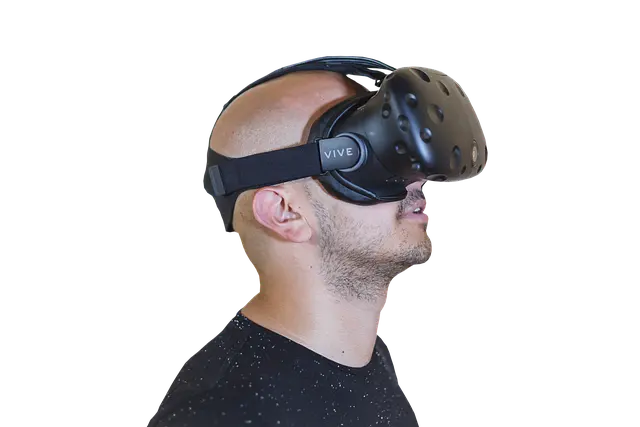
Augmented reality (AR) has moved beyond gaming into everyday applications, reshaping consumer interactions with products. In 2026, AR is enhancing shopping experiences by allowing users to visualize how gadgets will fit into their homes before purchasing. Market studies from Statista project that AR in retail will reach a market size of $198 billion by 2026, indicating strong consumer interest.
Augmented reality is also being introduced in educational gadgets. For instance, interactive AR-enabled lessons can bring subjects like science and history to life, enhancing learning experiences. By 2026, AR will become an invaluable tool for both retailers and educators, bridging the gap between online and offline interactions.
Analysis of Augmented Reality Experiences
The rapid adoption of AR signifies a major transformation in consumer behavior, as users seek immersive and engaging experiences. Retailers and educators must stay abreast of technological advancements to leverage AR effectively, ensuring they meet evolving consumer expectations.
📺 Ressource Vidéo
Explore the future of smart gadgets in our engaging videos, where we discuss the technologies that are changing our lives. Search on YouTube: "future of smart gadgets 2026".
Glossaire
| Terme | Définition |
|---|---|
| AI (Intelligence Artificielle) | Simulation de l'intelligence humaine par des machines, notamment pour le traitement du langage et l'apprentissage. |
| Wearable Technology (Technologie portable) | Dispositifs électroniques portables qui suivent et analysent des données, souvent liés à la santé. |
| Smart Home (Maison intelligente) | Système d'appareils interconnectés contrôlés à distance, aimant améliorer le confort et l'efficacité de l'habitat. |
Checklist avant achat
- [ ] Vérifiez la compatibilité des appareils avec votre système actuel
- [ ] Comparez les fonctionnalités basées sur vos besoins spécifiques
- [ ] Recherchez les avis d'autres utilisateurs sur les appareils
- [ ] Assurez-vous que le produit dispose de garanties et de services après-vente
- [ ] Évaluez l'impact environnemental des produits que vous envisagez d'acheter
🧠 Quiz rapide : What is the primary purpose of smart home technology?
- A) Entertainment
- B) Efficiency and control
- C) Security
Réponse : B — Smart home technology aims to enhance efficiency and control over home systems.
In conclusion, the landscape of smart gadgets in 2026 is marked by AI integration, wearable health advancements, innovative sustainable solutions, and the impactful use of augmented reality. As these trends continue to evolve, they offer exciting opportunities for consumers to enhance their lifestyles with smart technology. Stay informed and prepared to embrace these revolutionary changes in your daily life. Discover our recommended products below for the best in today's smart technology!
📺 Pour aller plus loin : future of smart gadgets 2026 sur YouTube
Recommended products
Selected by our experts
Uplifted Trends Breathable Zero Pressure Cervical Neck Pillow Washable TPE Latex Support For Neck Pain Relief no Pillowcase
inspireuplift.com
This product provides excellent neck support for users who spend long hours using smart gadgets, reducing discomfort and enhancing productivity.