Table of Contents (14 sections)
Introduction
In an era dominated by digital transformation, smart wearables have emerged as pivotal tools in the healthcare landscape. These devices, ranging from smartwatches to biometric sensors, offer unprecedented opportunities for patient monitoring and care. According to Statista, the global wearables market is expected to reach $90 billion in 2026, underscoring their growing importance.
What are Smart Wearables?
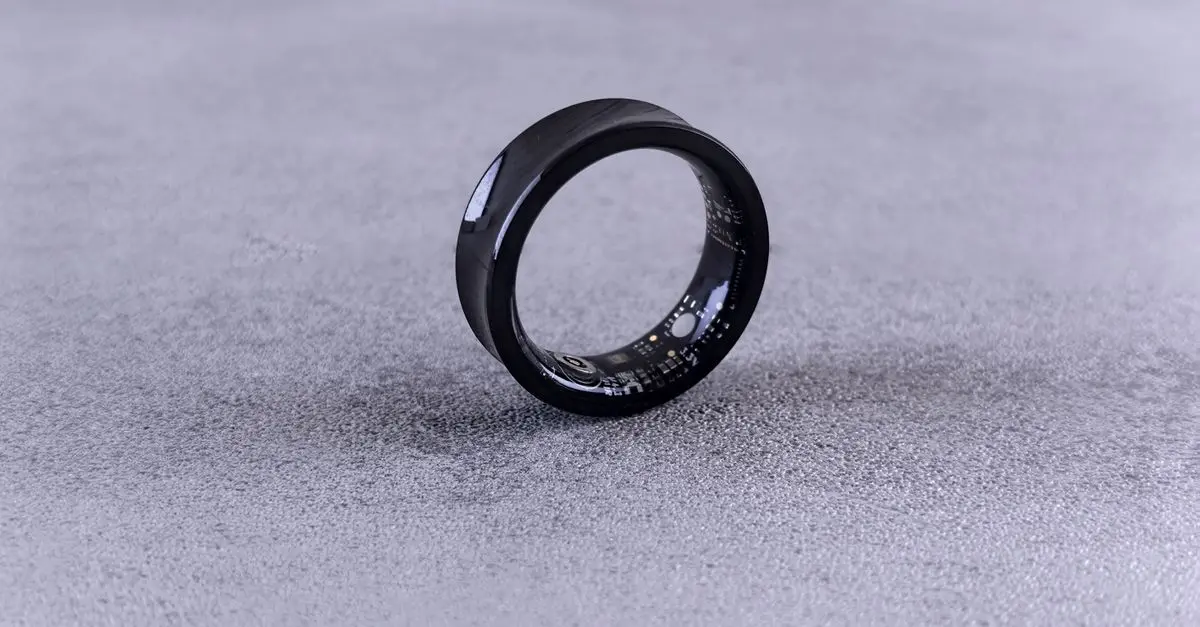
Smart wearables are electronic devices worn on the body, equipped with sensors that collect and transmit health data. These devices can monitor aspects like heart rate, oxygen levels, and sleep patterns, providing users and healthcare professionals with real-time insights. Apple Watch and Fitbit are leading brands in this sector, known for their accuracy and ease of use.
🧠 Quiz rapide : What is a primary feature of smart wearables?
- A) Fashion accessory
- B) Real-time health monitoring
- C) Entertainment
Réponse : B — Smart wearables offer real-time health monitoring to enhance healthcare insights.
How Smart Wearables are Transforming Healthcare
Smart wearables are redefining patient care by providing continuous monitoring and immediate data sharing with healthcare providers. They empower patients by offering a more personalized healthcare experience. For instance, alert systems can notify users and medics of abnormalities, enabling swift intervention. This technology has been particularly beneficial in chronic disease management, where consistent monitoring is crucial.
Comparative Analysis: Benefits vs Challenges
While smart wearables offer numerous benefits, they also present challenges. Here's a breakdown:
| Aspect | Benefits | Challenges | Verdict |
|---|---|---|---|
| Accessibility | Remote monitoring, easy data access | Data security concerns | Conditional Benefit |
| Accuracy | Real-time data, increased precision | Depends on device quality | Quality-dependent |
| Cost | Long-term healthcare savings | Initial high cost | Long-term Savings |
| User Engagement | Higher self-care awareness | Device dependency | Positive Overall |
The power of data in healthcare cannot be overstated. According to a report by IDC, 72% of healthcare providers attribute improved patient outcomes to the integration of wearable data into treatment plans. The data collected through wearables provides critical insights into population health and can significantly reduce healthcare costs by enabling preventative care.
📺 Ressource Vidéo
> 📺 Pour aller plus loin : How Smart Wearables Are Changing Healthcare in 2026, a detailed discussion on device integration and impact. Search on YouTube: "smart wearables healthcare 2026 insights"
Frequently Asked Questions
What are some popular smart wearables in healthcare?
Brands like Apple, Garmin, and Fitbit offer well-regarded smart wearables.
Are smart wearables safe to use?
Yes, most devices prioritize user data protection, though it is essential to review privacy policies.
Can wearables replace traditional healthcare methods?
While they enhance monitoring, they are an adjunct to conventional methods, not a replacement.
How do wearables contribute to preventive care?
By providing early warnings and insights, wearables help manage health proactively.
Checklist Before Buying Smart Wearables
- [ ] Assess the device's accuracy and reliability
- [ ] Ensure compatibility with your tech ecosystem
- [ ] Check for privacy compliance and data security protocols
- [ ] Evaluate battery life and durability
- [ ] Consider the initial investment versus long-term benefits
Glossary
| Terme | Définition |
|---|---|
| Biometrics | Data related to physical and physiological characteristics used in identification or health tracking |
| Chronic Disease | A long-term health condition that requires continuous management |
| Preventative Care | Healthcare practices aimed at disease prevention and health maintenance |
Smart wearables signify a transformative shift in healthcare, promoting real-time patient engagement and comprehensive data analysis. Their integration into healthcare systems offers a glimpse into the future of medicine, where technology and human care converge for better health outcomes.