Table of Contents (20 sections)
In an age characterized by rapid technological advancement, innovative smart gadgets have become integral to our daily lives. These devices not only provide convenience but also enhance our living experience by integrating technology deeply into our routines. From smart home systems that allow remote control of appliances to wearable devices that monitor health metrics, the evolution of gadgets is reshaping our lifestyles in remarkable ways.
The Rise of Smart Home Technology
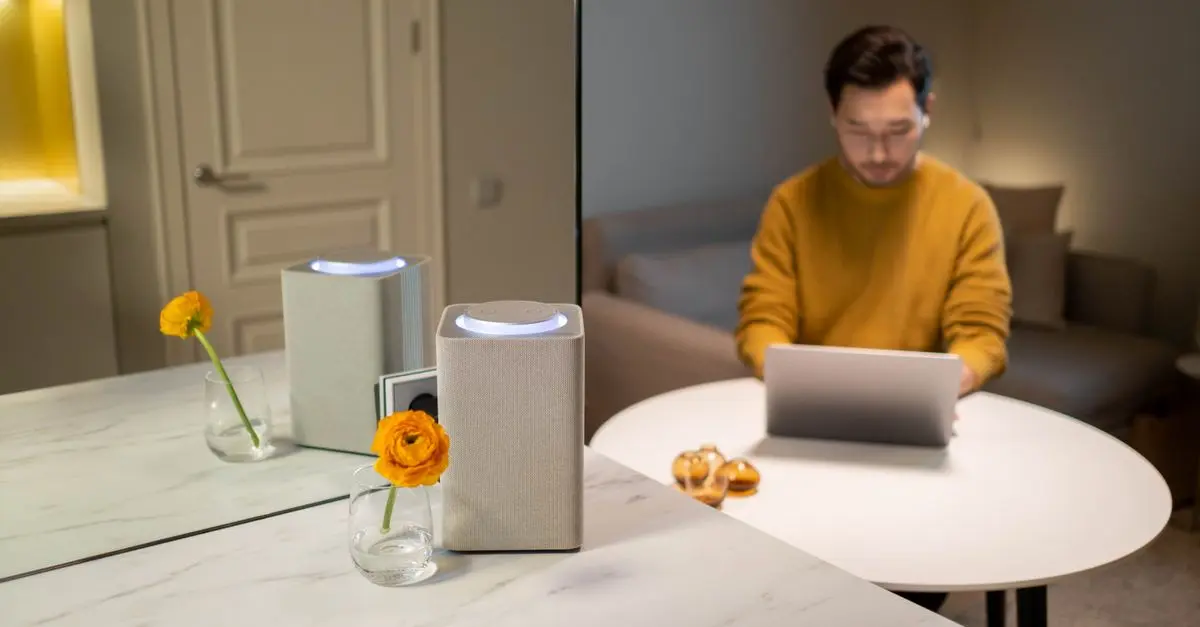
Smart home technology has surged in popularity, marking a significant trend in 2026. According to a report by Statista, the market for smart home devices is projected to reach over $174 billion by the end of this year. This growth is largely attributed to the increasing demand for home automation solutions that improve security and energy efficiency. Smart speakers, like those integrated with virtual assistants, allow homeowners to control lighting, temperature, and security systems with simple voice commands. Additionally, smart thermostats adapt to users’ habits, resulting in reduced energy consumption and lower utility bills.
Key Benefits of Smart Home Gadgets
Smart home gadgets provide several benefits:
- Increased security: Devices like smart locks and cameras can be monitored via smartphones, ensuring peace of mind.
- Energy efficiency: Smart thermostats adjust settings based on occupancy, leading to energy savings.
- Convenience: Voice-activated systems eliminate the need for physical interaction, making daily tasks more seamless.
As we look toward the future, the integration of AI in these devices is expected to enhance their responsiveness, adapting to user behaviors over time.
Wearable Technology: Health at Your Fingertips
Wearable technology continues to gain traction, particularly in tracking health and fitness metrics. In 2026, reports estimate that the global wearable tech market will exceed $108 billion. Smartwatches and fitness trackers not only monitor heart rates but also offer insights into sleep patterns and exercise routines, helping users make informed health choices. The emphasis on personal health monitoring has led to a culture where wellness becomes a daily priority.
Highlighted Features of Wearable Gadgets
Here’s why wearable technology is revolutionizing health:
- Real-time health monitoring: Users can track vital signs like heart rate, blood pressure, and even glucose levels continuously.
- Goal setting and motivation: Many devices allow users to set fitness goals, offering reminders and motivational support.
- Data analysis: Advanced algorithms analyze collected data to provide personalized health recommendations.
This trend emphasizes the growing importance of proactive health management through technology. As these devices become more sophisticated, they play a crucial role in preventive healthcare strategies.


Innovative Collaboration: Leveraging Technology in Ethical Supply Chains
Alison US CA
Smart Gardening Solutions
As environmental concerns gain prominence, innovative smart gardening gadgets have emerged to assist in sustainable living. Smart irrigation systems and plant care devices allow users to optimize water usage and maintain garden health with minimal effort. Drones equipped with sensors can also monitor crops, providing farmers with detailed information on plant health and soil conditions.
Advantages of Smart Gardening
Consider these advantages:
- Water conservation: Automated irrigation systems reduce water waste while ensuring plants receive adequate moisture.
- Data-driven decisions: Smart sensors provide insights into soil health, allowing gardeners to make informed decisions.
- Reduced labor: Minimizing physical labor through automation can lead to a more enjoyable gardening experience.
In 2026, the drive toward greener living is not merely a trend but a necessary adjustment as we face global climate challenges. Smart gardening aids in this transition, enabling urban dwellers and farmers alike to integrate sustainability into their practices.
AI in Everyday Gadgets
Artificial Intelligence (AI) has penetrated into various gadgets, making them smarter and more user-friendly. From voice assistants that schedule appointments to smart refrigerators that track food inventory, the applications of AI are vast. The global AI market is projected to surpass $390 billion by the end of 2026, indicating its crucial role in technology development.
Integrating AI for Enhanced User Experience
Here’s how AI transforms everyday gadgets:
- Personalization: Devices learn user patterns to offer customized experiences.
- Predictive capabilities: Smart appliances predict user needs, making decisions without intervention.
- Remote monitoring: Users can access gadget settings from anywhere, increasing convenience and control.
As AI technology continues to develop, it opens the door for more intuitive interactions with devices, making technology an integrated part of our lives.
Comparative Overview of Smart Gadgets
The following table highlights key features of several popular smart gadgets, comparing their functionalities and benefits:
| Gadget Type | Key Features | Benefits | Ideal User Scenario |
|---|---|---|---|
| Smart Speakers | Voice commands, music streaming | Hands-free control | Busy households |
| Fitness Trackers | Health monitoring, adaptability | Fitness goal support | Health-conscious individuals |
| Smart Thermostats | AI learning, remote access | Energy efficiency | Smart home enthusiasts |
| Smart Irrigation | Automated water usage, sensors | Sustainable gardening | Urban gardeners |
What are innovative smart gadgets?
Innovative smart gadgets are technologically advanced devices designed to enhance everyday life through automation, real-time data analysis, and user-friendly controls.
How can smart home gadgets improve security?
Smart home gadgets, like surveillance cameras and smart locks, enhance security by allowing remote monitoring and control via smartphones, providing peace of mind for users.
What is the role of AI in smart gadgets?
AI enhances smart gadgets by enabling personalized experiences, improving efficiency through predictive capabilities, and allowing remote control of devices.
Are wearable technologies beneficial for health tracking?
Yes, wearable technologies provide real-time health metrics, personalized insights, and motivate users to meet their wellness goals, significantly promoting health management.
Glossary
| Term | Definition |
|---|---|
| Smart Home | A home equipped with internet-connected devices to manage and control various home functions remotely. |
| Wearable Technology | Devices worn on the body that track health metrics and provide consumer data for personal use. |
| Artificial Intelligence | The simulation of human intelligence by machines to perform tasks and analyze data. |
Checklist before Purchase
- [ ] Assess compatibility with existing smart home systems.
- [ ] Determine specific needs and desired features.
- [ ] Read user reviews for reliability and support.
- [ ] Check for future software updates before buying.
- [ ] Evaluate warranty and return policies.
📺 Resource Video
Explore innovative smart gadgets in daily life, an in-depth look at how technology reshapes living through smart devices. Search on YouTube: innovative smart gadgets 2026.
Recommended products
Selected by our experts
Innovative STEM Integration for Montessori Educators
Alison US CA
This product enhances learning through innovative STEM integration for educators, making it relevant for those seeking engaging teaching tools.
Innovative Solutions in Sustainable Development and Case Studies
Alison US CA
This solution focuses on sustainable development, suitable for individuals interested in environmentally friendly practices.
Innovative Collaboration: Leveraging Technology in Ethical Supply Chains
Alison US CA
This innovative product aids in fostering ethical supply chains, appealing to conscious consumers.