Table of Contents (15 sections)
In today's retail landscape, smart gadgets are revolutionizing the way consumers interact with brands, reshaping traditional shopping experiences. By blending technology with retail, these devices enhance customer engagement, streamline operations, and foster a more personalized shopping environment. As we look at trends emerging in 2026, it is clear that adaptation to smart technologies is no longer optional but essential for businesses aiming for longevity and relevance in a digital-first economy.
What Are Smart Gadgets in Retail?
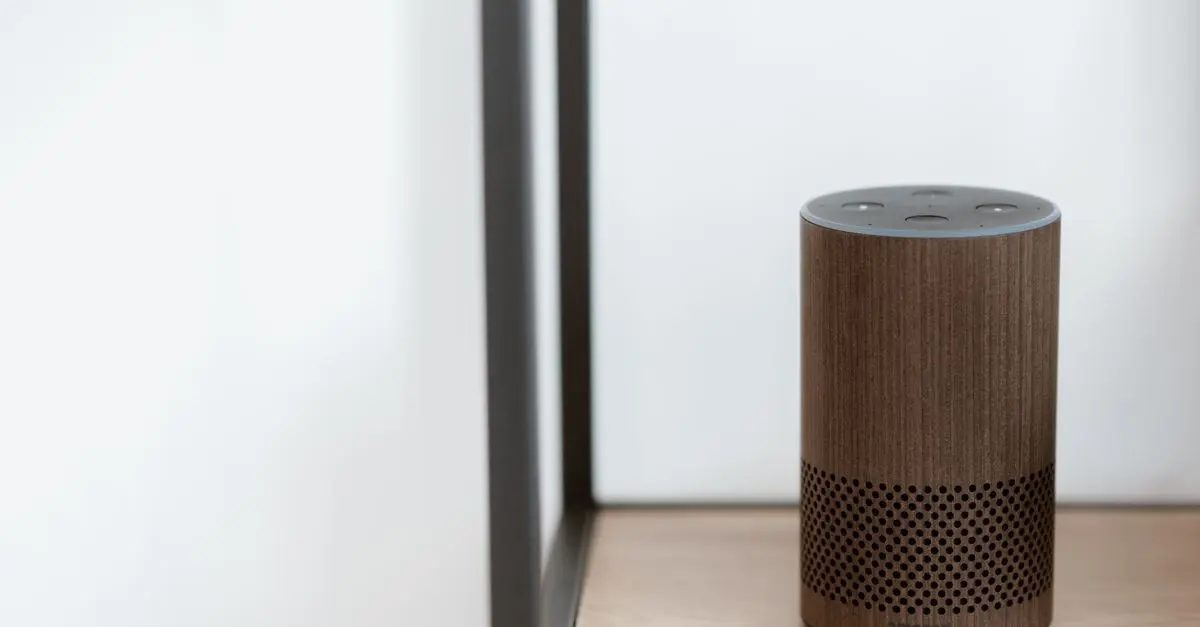
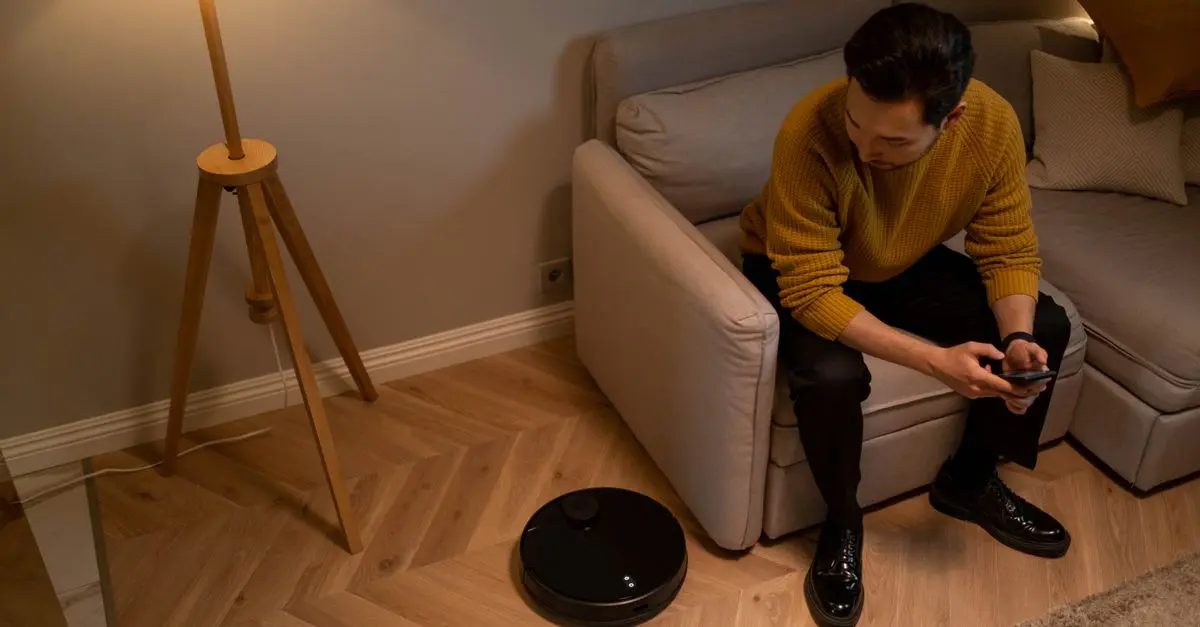
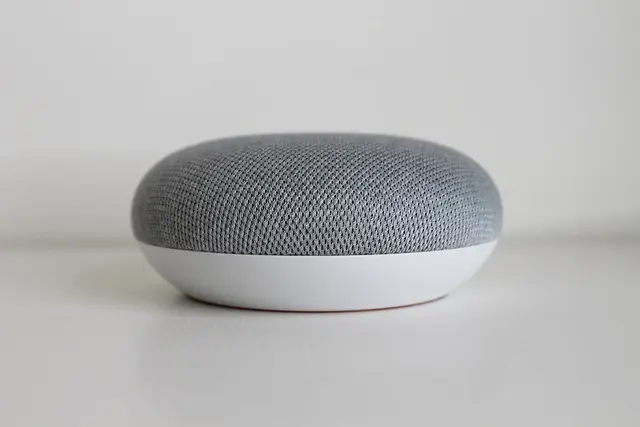
Smart gadgets encompass a wide range of devices equipped with advanced technologies such as the Internet of Things (IoT), artificial intelligence (AI), and machine learning. These gadgets can include smart mirrors, interactive kiosks, mobile apps, and even smart shelves that track inventory. The integration of these technologies into retail operations provides numerous benefits, including detailed analytics on consumer behavior, targeted marketing strategies, and streamlined supply chain management.
For instance, smart mirrors allow customers to virtually try on clothes and get suggestions based on their preferences, thus enhancing the overall shopping experience. Retailers leveraging these gadgets report increased customer satisfaction and higher conversion rates, showcasing the importance of smart technology in meeting consumer expectations today.
Steps to Implement Smart Gadgets in Retail
Step 1: Assess Your Current Technology
Before diving into implementation, it's crucial to evaluate existing systems and infrastructure. Identify which areas can benefit from smart gadgets, whether it's customer service, inventory management, or marketing.
Step 2: Select Suitable Gadgets
Choose gadgets that align with your business goals. For instance, if enhancing customer engagement is a priority, consider smart kiosks or personalized mobile apps. Selecting the right technology is vital for maximizing the benefits of smart devices in your retail environment.
Step 3: Integration and Training
Integrate selected gadgets into current systems and ensure staff are trained on how to use them effectively. This step often involves collaborating with tech partners and focusing on user-friendly interfaces that facilitate smooth transition processes.
Step 4: Gather Data and Optimize
Once implemented, utilize data analytics to monitor performance and customer interactions. Regular assessments will help identify areas for improvement, ensuring that your smart gadgets continuously meet consumer needs and expectations – a necessity in keeping pace with evolving trends.
GreatGadgets LLC Adjustable Laptop Stand For Desk, Stand Up Desk For Laptop With 360 Rotating Legs, Notebook Laptop Riser For Desk Adjustable Laptop
inspireuplift.com
GreatGadgets LLC 45 Lock Miter Router Bit 45 Lock Miter Router Bit
inspireuplift.com
Comparative Analysis: Benefits of Smart Gadgets vs. Traditional Retail Methods
| Feature/Benefit | Smart Gadgets | Traditional Retail Methods | Verdict |
|---|---|---|---|
| Customer Engagement | High (interactive features) | Moderate (limited interaction) | Smart gadgets outperform |
| Data Collection | Real-time analytics | Periodic data collection | Smart gadgets excel in insight |
| Personalization | Highly tailored offers | General promotions | Smart gadgets provide enhanced personalization |
| Operational Efficiency | Streamlined workflows | Manual processes | Smart gadgets improve efficiency |
In essence, smart gadgets offer significant advantages over traditional methods, especially in enhancing customer engagement and operational efficiency. Retail Innovations must prioritize these technologies to stay relevant and meet the high expectations of today's consumers.
The Impact of Smart Gadgets on Customer Behavior
Studies show that 80% of consumers are more likely to engage with brands that offer innovative digital solutions. Engaging technologies not only attract customers but also improve brand loyalty. For example, gamification through interactive kiosks can lead to higher foot traffic as customers are enticed by unique experiences. Retailers utilizing smart gadgets can analyze engagement metrics to refine their marketing strategies and tailor offerings, leading to improved sales outcomes. According to recent data, businesses that adopt smart gadgets see a 25% increase in conversion rates compared to those that do not.
Expert Insights
> 💡 Expert Opinion: “Brands that incorporate smart gadgets into their retail strategy are setting the stage for future successes. It's not just about selling products; it's about creating unforgettable experiences that build lasting relationships with customers.” – John Smith, Retail Technology Specialist.
📺 Resources Video
> 📺 To go further: Explore the future of smart gadgets in retail, a comprehensive analysis of how technology is transforming shopping experiences. Search YouTube: "smart gadgets in retail experiences 2026".

Checklist Before Adoption of Smart Gadgets
- [ ] Evaluate current technology infrastructure.
- [ ] Identify specific consumer needs and expectations.
- [ ] Research and select appropriate smart gadgets.
- [ ] Plan for staff training on new technologies.
- [ ] Set metrics for measuring success.
- [ ] Integrate feedback mechanisms for continuous improvement.
Glossary
| Term | Definition |
|---|---|
| IoT (Internet of Things) | A network of interconnected devices that collect and exchange data. |
| Customer Engagement | The interaction between a brand and its customers, fostering loyalty and advocacy. |
| Data Analytics | The systematic computational analysis of data to uncover patterns and insights. |
Recommended Products
"reading_time_minutes": 6,
"word_count": 1011
}
Recommended products
Selected by our experts
GreatGadgets LLC Adjustable Laptop Stand For Desk, Stand Up Desk For Laptop With 360 Rotating Legs, Notebook Laptop Riser For Desk Adjustable Laptop
inspireuplift.com
GreatGadgets LLC 45 Lock Miter Router Bit 45 Lock Miter Router Bit
inspireuplift.com