Table of Contents (14 sections)
In the digital age, smart gadgets have become integral to our daily lives, influencing not only our routines but also our purchasing decisions. As consumers increasingly rely on technology, understanding the impact of these devices is crucial for businesses aiming to optimize their marketing strategies. This article delves into how smart gadgets shape consumer preferences and the trends emerging in 2026.
Understanding Smart Gadgets
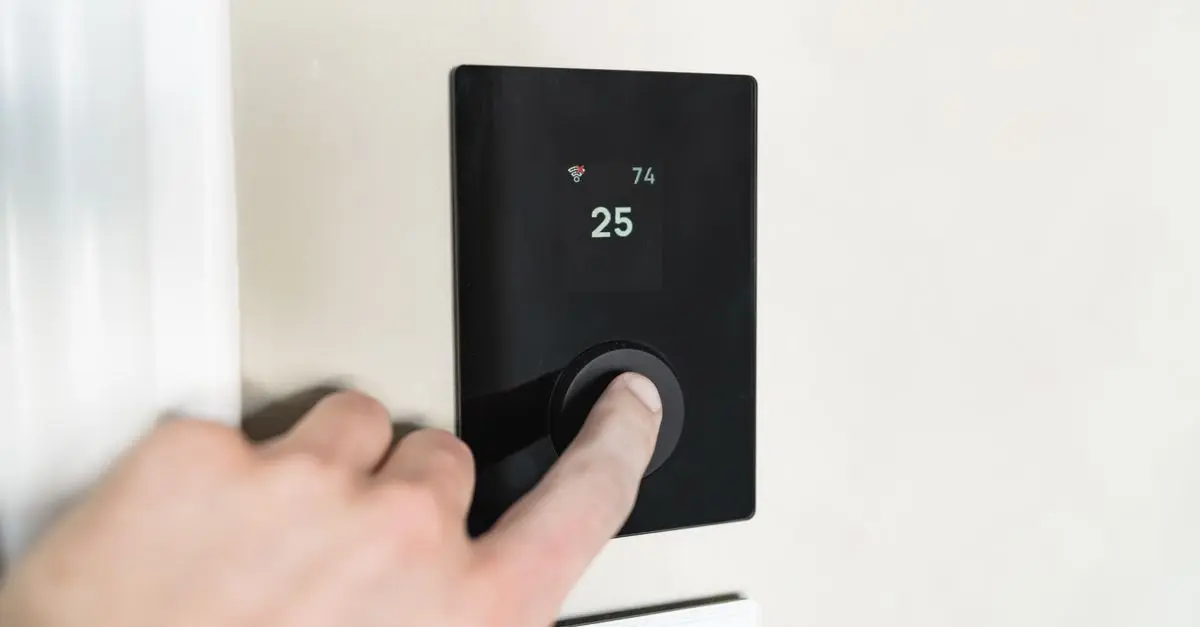
Smart gadgets refer to devices that connect to the internet and offer advanced features typically driven by artificial intelligence (AI) or machine learning. These can range from smart home devices like thermostats and security cameras to wearables like smartwatches. The core appeal of these products lies in their ability to simplify tasks, enhance convenience, and provide personalized experiences. In 2026, research indicates that the global smart home market is projected to reach over $135 billion, showcasing consumers' growing trust and reliance on smart devices. This trend signifies not only an investment in technology but also a shift in consumer expectations, with security and reliability at the forefront of their purchasing decisions.
💡 Expert Insight: According to a report by Statista, 60% of consumers in 2026 prefer brands that offer smart features in their products to enhance usability and satisfaction.
The Rise of Smart Gadgets in Consumer Decision-Making
Consumers today are more informed than ever before. The availability of real-time data, online reviews, and product comparisons empowers shoppers to make educated decisions. Smart devices like smart assistants and IoT-enabled appliances offer features that not only streamline the shopping process but also help in making informed choices.
- Personalization: Smart gadgets collect user data, enabling personalized recommendations that align with individual preferences. For example, smart refrigerators can suggest recipes based on available ingredients, fostering cooking habits and making meal planning easier.
- Remote Access: Many smart devices allow for remote control via smartphones, increasing consumer loyalty and satisfaction. Consumers find it easier to manage or evaluate their gadgets, influencing their choices when considering similar products.
- Integration with Additional Services: Smart gadgets often integrate with larger ecosystems, enhancing their value proposition. Consumers prefer gadgets that work seamlessly with other products, fostering brand loyalty over time.
Trends Shaping Smart Gadget Purchases in 2026
1. Sustainability Focus
The trend toward sustainability has seen a significant uptick in 2026. Consumers are increasingly aware of the environmental impact of their purchases, leading to a preference for energy-efficient smart gadgets. According to Gartner, 50% of buyers in 2026 reported choosing products based on their environmental impact. Brands that highlight their commitment to sustainable practices, such as using recyclable materials or sustainable manufacturing processes, have gained consumer favor. For example, smart thermostats that reduce energy consumption reflect not only innovation but also a commitment to sustainability, influencing purchase decisions.
2. Enhanced Connectivity
As Wi-Fi and 5G technology become universally available, the need for devices that connect smoothly has risen. Consumers expect their gadgets to not only function independently but also to integrate into an interconnected home ecosystem. Cisco reports that by 2026, an average household could own over 25 smart gadgets, making it imperative for brands to prioritize straightforward connectivity options.
3. Health Monitoring
The increasing awareness of health and wellness in 2026 has prompted many consumers to invest in health-monitoring smart gadgets. Devices such as smartwatches and fitness trackers provide real-time health data, empowering users to make informed choices about their lifestyle. Reports from Nielsen indicate that the health tech sector of smart gadgets is expected to grow rapidly, with 25% of consumers indicating that health tracking is a vital purchasing decision factor.
4. Voice Activation
Voice control technology is becoming standard. The convenience of using devices through voice commands enhances the user experience. In a survey conducted by Pew Research, 70% of respondents stated that voice activation was a critical factor in their decision to purchase smart gadgets in 2026. This trend emphasizes the consumer preference for hands-free operation and personalized assistance, particularly for home automation products.
5. Increased Consumer Education
As consumers engage more with smart gadgets, they seek out more information about product use and features before purchasing. Content marketing strategies that include tutorials, guides, and user reviews are effective in converting consumer interest into actual sales. Brands that provide clear educational resources will find higher engagement and better consumer loyalty.
📺 Resource Video
> 📺 For further insights: Explore how technology impacts consumer choices, a detailed look at smart technology influences. Search on YouTube: "impact of smart gadgets on consumer decisions 2026".
Comparison of Smart Gadgets in 2026
| Feature | Option A | Option B | Option C | Verdict |
|---|---|---|---|---|
| Energy Efficiency | Yes | No | Yes | Best Utility from A & C |
| Voice Control | Amazon Alexa | Google Assistant | None | Best Integration from A |
| Price Range | $100-$200 | $150-$250 | $50-$100 | A offers best value |
| Brand Reputation | Strong | Moderate | Weak | A preferred for dependability |
Checklist Before Purchase
- [ ] Assess energy efficiency ratings
- [ ] Compare integration with existing devices
- [ ] Verify compatibility with home ecosystems
- [ ] Review consumer feedback and testimonials
- [ ] Check product warranty and service availability
Glossary
| Term | Definition |
|---|---|
| Smart Gadgets | Devices connected to the internet that offer advanced features and automation capabilities. |
| Sustainability | Practices aimed at minimizing environmental impact and promoting resource conservation in product design. |
| Voice Activation | Technology that allows users to control devices through voice commands. |
---
📺 Pour aller plus loin : impact of smart gadgets on consumer decisions 2026 sur YouTube