Table of Contents (16 sections)
Home automation is revolutionizing the way we live, making our daily routines more convenient, energy-efficient, and secure. The integration of smart gadgets into our homes allows for seamless control over lighting, appliances, security systems, and more. Companies like Google, Amazon, and Apple have pioneered this realm, providing innovative solutions that contribute to smarter living environments.
What is Home Automation?
Home automation refers to the technological solutions that enable homeowners to control various systems around their house remotely or with automation schedules. This includes managing lighting, heating, cooling, security, and even appliances through connected devices. According to a report by Statista, the smart home segment is expected to grow significantly, reaching a market size of $174 billion by 2026. The evolution of smartphones and the Internet of Things (IoT) has enabled the creation of these interconnected devices, enhancing how we interact with our living spaces.
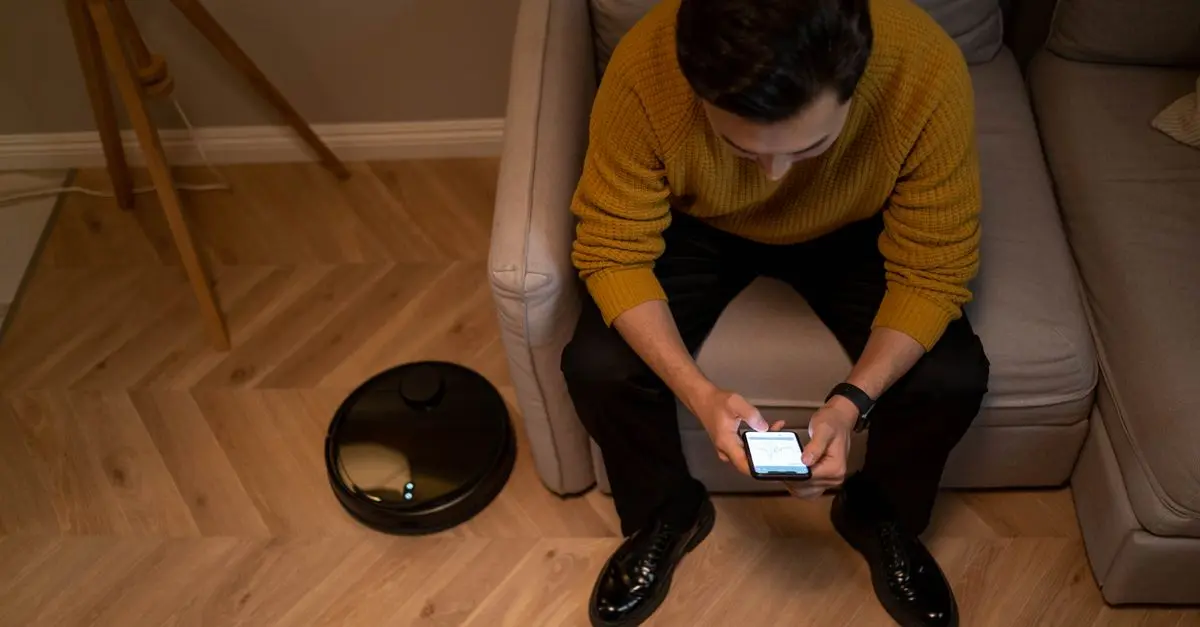
Home automation systems connect through a central hub or app on a smartphone, enabling users to create personalized settings, such as adjusting the thermostat before arriving home or turning off lights with a voice command. The primary objective remains straightforward: to make life easier, providing both luxury and efficiency in everyday tasks.
Steps for Implementing Home Automation with Smart Gadgets
Implementing home automation can seem daunting; however, breaking it down into manageable steps can simplify the process. Here is a step-by-step guide to get started:
Step 1: Identify Your Needs
Start by determining which aspects of your home you want to automate. Do you want better control over lighting, security, or climate? Analyze your daily routines to identify areas that could benefit from automation.
Step 2: Choose Compatible Gadgets
Once you’ve established your needs, look for smart gadgets that are compatible with one another. Ecosystems like Amazon Alexa, Google Assistant, or Apple HomeKit can govern various devices but ensure that the gadgets you select integrate well within those ecosystems.
Step 3: Set Up a Central Hub or App
Setting up a central hub is crucial for managing all your devices. This could be a dedicated hub or an app on your smartphone. The hub will enable communication between devices, which is essential for automation to work.
Step 4: Create Automation Routines
After setting up your gadgets, configure routines or schedules. For instance, you can set your lights to turn on at sunset or program your coffee maker to start brewing at your alarm time.
Step 5: Regularly Update and Maintain
Just as with any technological system, regular updates ensure that your devices operate smoothly and securely. Stay informed about software updates and new features that may enhance your automation experience.
Comparing Smart Gadgets for Home Automation
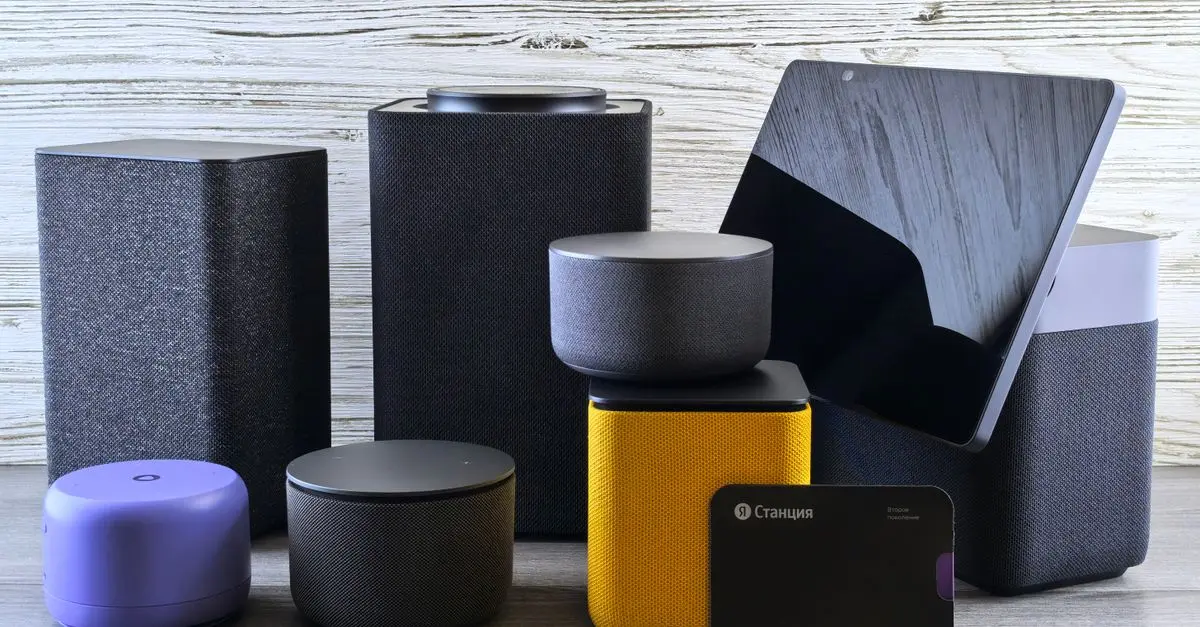
When choosing smart gadgets for home automation, consider the following comparison between popular product categories:
| Category | Option A (Amazon Echo) | Option B (Google Nest Hub) | Option C (Apple HomePod) | Verdict |
|---|---|---|---|---|
| Voice Assistant | Yes | Yes | Yes | All options are solid. |
| Smart Display | Yes | Yes | Yes | Great for visual control. |
| Ecosystem Compatibility | Amazon Alexa | Google Assistant | Apple HomeKit | Select based on your existing devices. |
| Audio Quality | Good | Excellent | Excellent | Apple excels here. |
Data and Trends in Home Automation
The home automation market is rapidly evolving, with technology shaping how we interact with our homes. According to UFC-Que Choisir, 42% of French households had at least one smart device in 2025, up from 30% in 2022. Furthermore, surveys indicate that 62% of homeowners prefer energy-efficient gadgets that can reduce overall energy expenditure.
Growing Focus on Security
One notable trend is the growing emphasis on home security within automation systems. Techniques like facial recognition, smart locks, and video surveillance are becoming standard; about 37% of consumers report having increased safety due to smart home capabilities. Such developments underscore a crucial factor driving the adoption of home automation: security enhancement.
Expert Insights
> 💡 Expert Opinion:
> According to Dr. Emily Stanton, a leading expert in smart home technologies, “The integration of AI and machine learning in home automation systems is an exciting frontier. This technology doesn’t just improve efficiency — it learns user preferences over time, leading to truly personalized experiences.” These advancements not only boost convenience but also enhance safety and energy efficiency in ways we hadn’t imagined before.
📺 Resource Video
> 📺 For further exploration: Discover the future of home automation gadgets, a comprehensive guide to what's trending in the smart gadget realm. Search YouTube: latest smart home gadgets 2026.
Glossary
| Term | Definition |
|---|---|
| Home Automation | Technology enabling automated control of home systems. |
| IoT (Internet of Things) | Network of interconnected devices communicating and interacting. |
| Smart Gadgets | Devices designed to connect with other gadgets via the internet. |
Checklist before Purchase
- [ ] Assess your automation needs.
- [ ] Research compatible smart gadgets.
- [ ] Set up a reliable central hub.
- [ ] Plan automation routines.
- [ ] Review product reviews and ratings.
📺 Pour aller plus loin : latest smart home gadgets 2026 sur YouTube