Table of Contents (11 sections)
What Are Smart Gadgets in Retail?
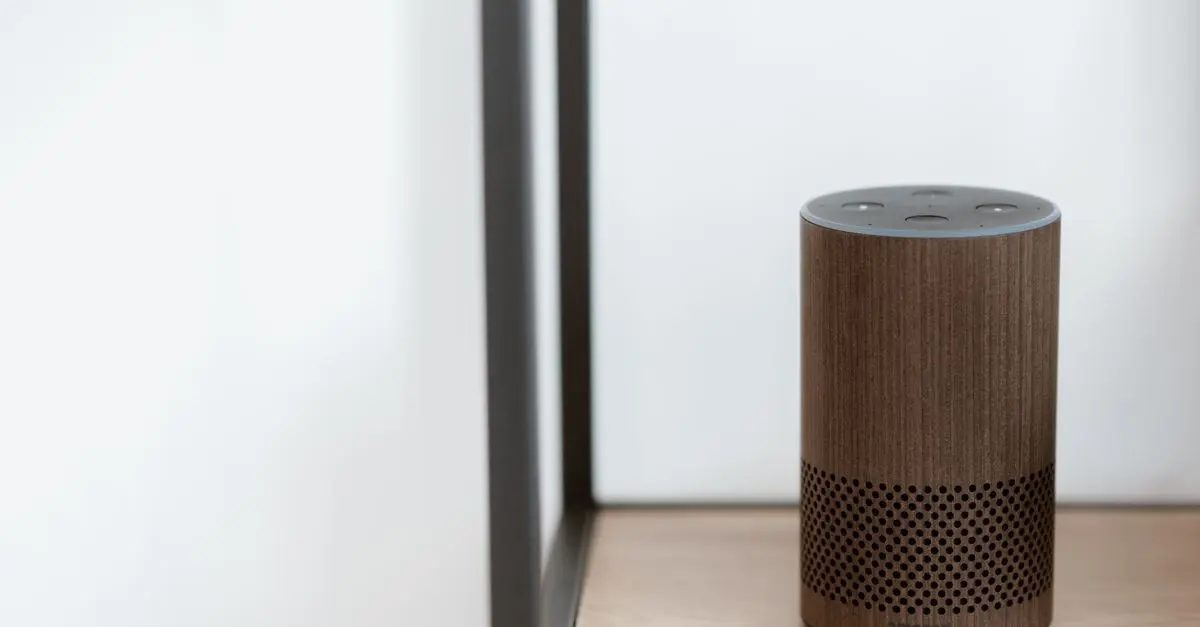
Smart gadgets in retail refer to a variety of advanced technologies integrated into shopping experiences. These include smart shelves, interactive kiosks, and mobile apps that enhance customer interaction and streamline operations. The implementation of such gadgets allows retailers to collect real-time data on consumer behavior, optimize inventory, and improve service delivery.
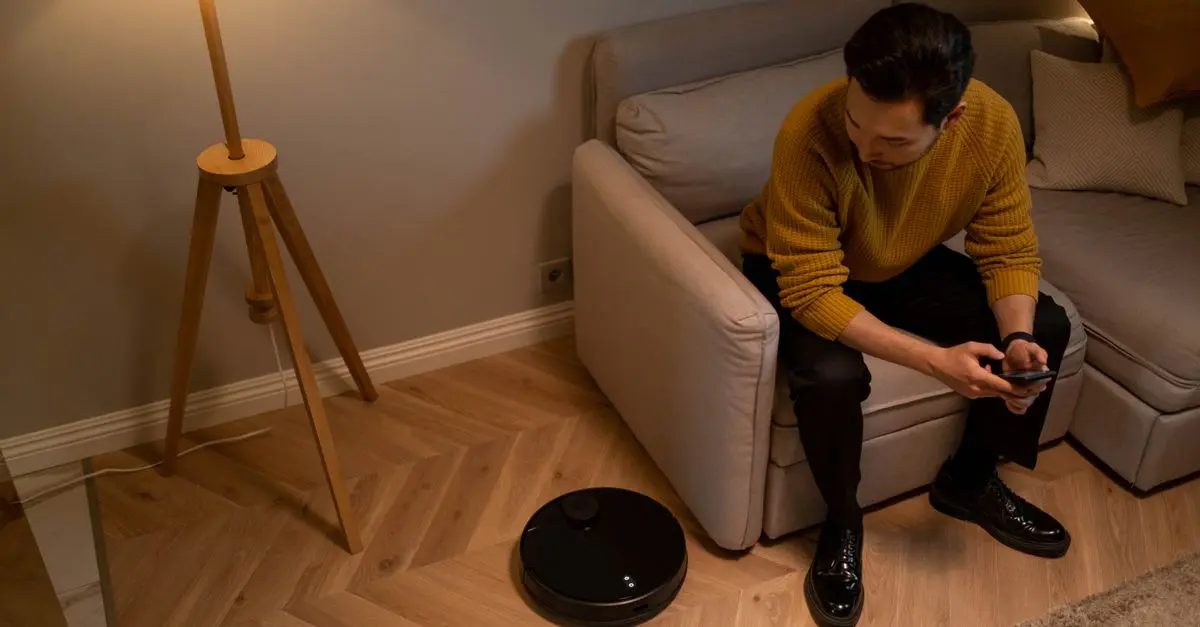
The rise of the Internet of Things (IoT) has played a pivotal role in this evolution. With connectivity options, smart gadgets can communicate with each other and gather vital statistics that inform business decisions. For example, retailers can monitor foot traffic and adjust staffing accordingly, creating a more responsive shopping environment. According to Gartner, by the end of 2026, around 70% of customer interactions will be managed by smart gadgets, emphasizing their growing significance.
How Smart Gadgets Enhance Consumer Experiences
Smart gadgets revolutionize the retail experience by providing greater convenience and personalization. For instance, Amazon Go stores leverage sensor technology to allow customers to shop without traditional checkouts. Customers simply pick items and walk out; their accounts are automatically billed. This approach minimizes wait times and creates a seamless experience.
Additionally, smart mirrors, which are increasingly popular in fashion retail, enable customers to virtually try on clothes without ever entering a fitting room. These mirrors can recommend styles based on user preferences and even show items available in different colors or sizes. According to Statista, 55% of individuals expressed interest in using such technology when shopping. This statistic showcases how retail stores can leverage smart gadgets to attract tech-savvy customers.
The Rise of Augmented Reality Shopping
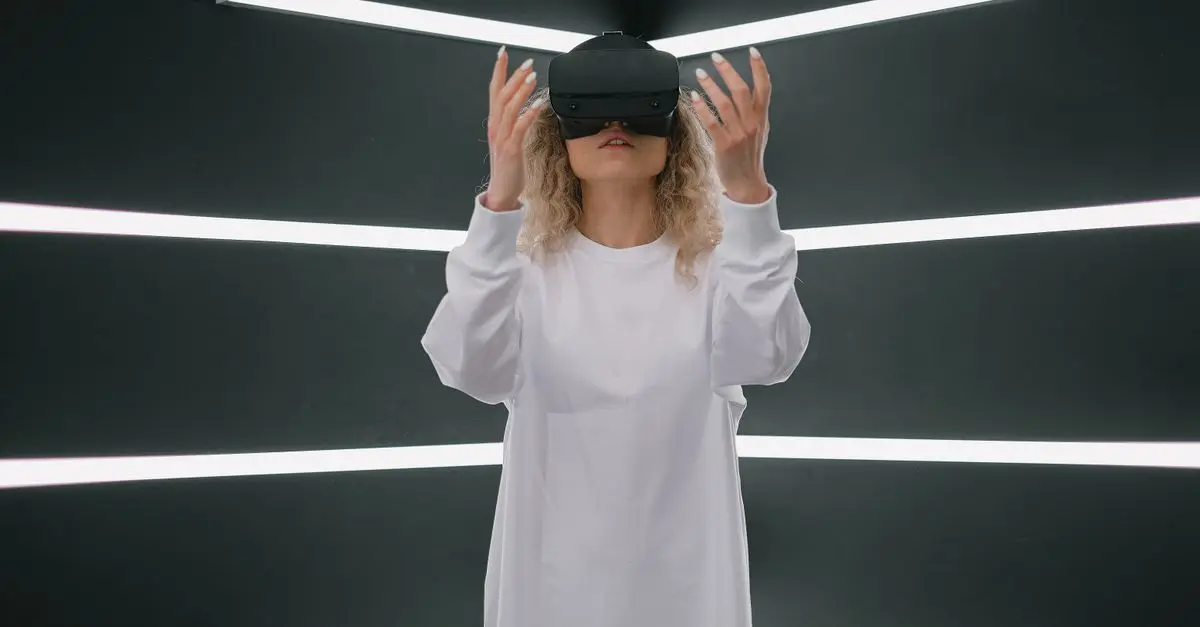
Augmented Reality (AR) has gained traction as a powerful tool in enhancing the retail experience. Retailers like IKEA utilize AR applications to help customers visualize how furniture looks and fits within their spaces before making a purchase. This feature reduces the uncertainty some consumers feel when buying furniture online. In fact, studies show that 61% of shoppers prefer retailers that provide AR experiences.
AR can also remind customers of items they previously viewed or offer styling recommendations, further enhancing engagement and personalization. As AR technology continues to advance, retailers that adopt these tools can expect higher conversion rates.
Contactless Payments and Smart Checkouts
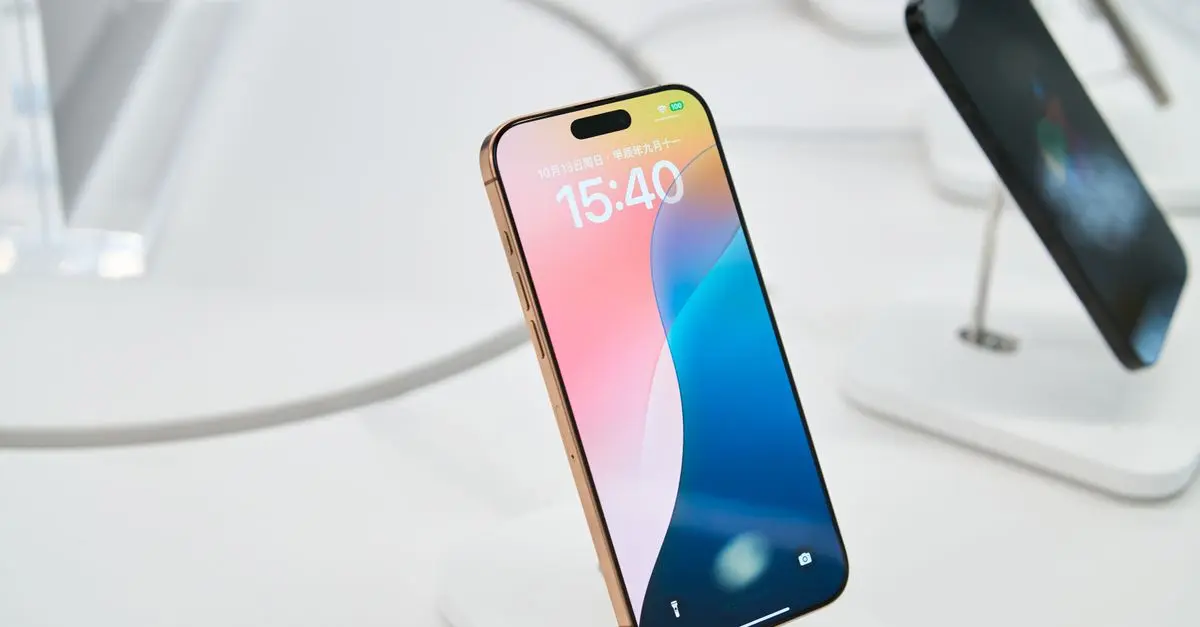
The shift towards contactless payments has accelerated due to the global pandemic. Many retailers are adopting smart checkout systems that allow customers to pay using smartphones, smartwatches, or even biometric recognition. For instance, Apple Pay and Google Wallet simplify transactions in-store while also ensuring safety and efficiency.
In addition, smart checkout systems can analyze purchase patterns and offer loyalty rewards instantaneously based on past behaviors. This technology not only makes the shopping process faster and more secure, but it also enhances customer satisfaction. As noted by McKinsey, 50% of consumers are more likely to shop from stores that offer a variety of contactless payment options.
Smart Inventory Management
Inventory management is critical in retail, and smart gadgets are transforming how businesses manage stock. Smart sensors can track inventory levels, automatically reordering stock when levels fall below a certain threshold. This technology minimizes stockouts and overstock situations, leading to improved customer satisfaction and reduced operational costs.
Furthermore, analytics data gleaned from smart gadgets can help retailers understand purchasing trends, allowing for more informed decisions on stock levels. Cisco reports that implementing smart inventory solutions can reduce excess inventory by up to 30%, ultimately leading to higher profitability.
Personalization Through Data Analytics
Smart gadgets excel at gathering data that retailers can use to tailor experiences. For instance, mobile apps can analyze individual shopping behaviors, recommend products based on past purchases, and even adjust marketing messages based on user interaction. Personalization is increasingly expected by consumers; 74% of online consumers feel frustrated when website content is not personalized.
Retailers leveraging this data-driven approach can significantly enhance customer loyalty and increase ROI from their marketing efforts. It allows for targeted campaigns that align with customer preferences, leading to more conversions and higher customer satisfaction.
Exploring the Future of Retail
As smart gadgets continue to permeate the retail landscape, the future looks promising. Emerging technologies such as artificial intelligence (AI) and blockchain will further optimize operations. For example, AI can predict trends based on consumer behavior, enabling retailers to stay ahead of demands.
Moreover, collaboration between retailers and technology providers will foster innovations that improve security, data analytics, and consumer engagement. With more than 100 million smart devices projected to be in use by 2026, the potential for disruptive changes in retail is significant. Retailers who wish to stay ahead must adapt and embrace these technologies to meet evolving consumer expectations.
💡 Expert Insight: Smart gadgets are not just a trend; they're a necessity in modern retail. Data from my experience shows a marked improvement in customer retention and satisfaction for retailers who harness these innovations. Adopting a tech-forward approach not only streamlines operations but profoundly enhances customer engagement.
📺 Resource Video
Discover the Future of Retail: A deep dive into how technology is reshaping shopping experiences. Search YouTube for: 'smart gadgets retail innovations 2026'.
Glossary
| Term | Definition |
|---|---|
| IoT | A system of interrelated computing devices that communicate with each other. |
| AR | Technology that overlays digital information onto the real world. |
| Data Analytics | The process of examining data sets to draw conclusions about the information they contain. |
Checklist before Purchase
- [ ] Assess the importance of personalized experiences.
- [ ] Investigate the feasibility of smart checkouts for your stores.
- [ ] Consider the integration of AR for product visualization.
- [ ] Evaluate your inventory management systems.
- [ ] Research potential smart gadgets that meet your retail needs.
🧠 Quiz rapide: What technology in retail allows customers to try products virtually?
- A) Smart Shelves
- B) Augmented Reality
- C) Smart Mirrors
Réponse : B — Augmented Reality enhances customer experience by allowing virtual try-ons.
📺 Pour aller plus loin : smart gadgets retail innovations 2026 sur YouTube