Table of Contents (20 sections)
In today's fast-paced world, smart gadget integration stands at the forefront of home automation technology. This integration not only offers convenience but also significantly enhances the efficiency of household management. Smart gadgets, which include everything from smart thermostats to connected appliances, are revolutionizing how we manage our homes. By streamlining tasks and providing real-time data, these gadgets create a more comfortable and energy-efficient living environment. In this article, we'll explore the various facets of smart gadget integration and how it can lead to greater home efficiency.
What is Smart Gadget Integration?
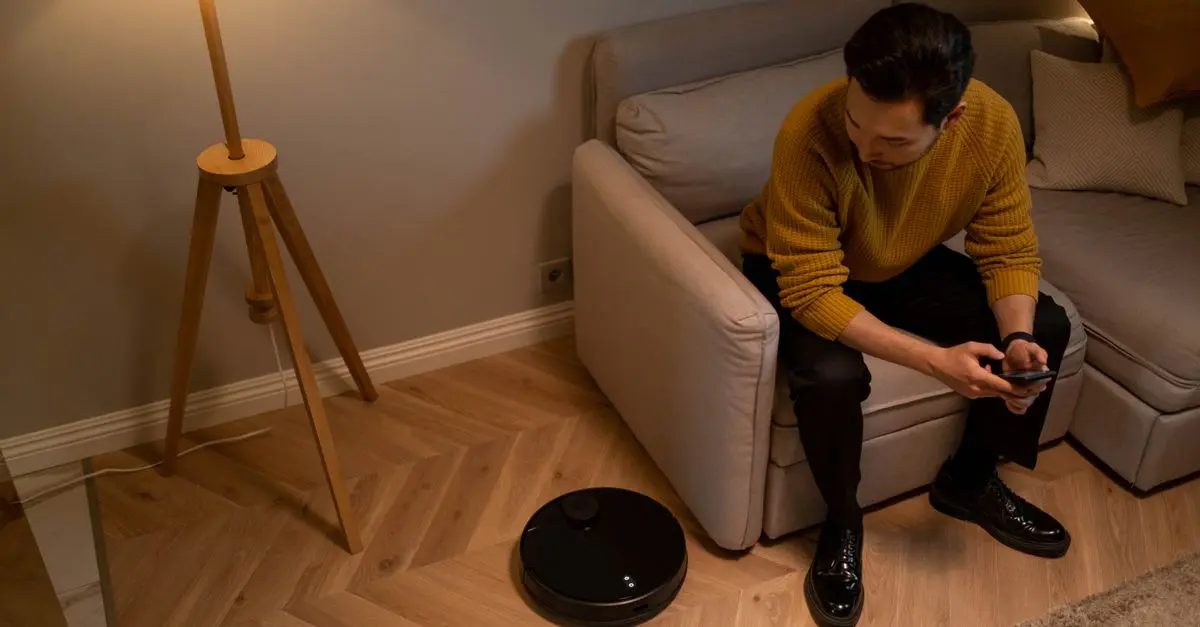
Smart gadget integration refers to the seamless connection of various smart devices within a home ecosystem. This means that different devices can communicate with each other, often through a central hub or app. For instance, a smart thermostat can adjust the heating or cooling based on data from smart window sensors that detect whether windows are open or closed. This level of automation not only maximizes comfort but also saves energy.
According to a report from UFC-Que Choisir, homes equipped with smart gadgets can achieve up to a 30% reduction in energy consumption. This is significant, considering that heating and cooling account for about 48% of energy usage in a typical American household. Therefore, integrating smart devices is not just a trend but a wise investment in both sustainability and savings.
How to Effectively Integrate Smart Gadgets
Integrating smart gadgets into your home may seem overwhelming, but it can be broken down into manageable steps.
Step 1: Assess Your Needs
Begin by evaluating your lifestyle. Do you primarily want to enhance security, reduce energy costs, or improve convenience? Answering this will guide your selections. For example, if energy efficiency is a priority, focus on smart thermostats and energy-efficient appliances.
Step 2: Choose Compatible Devices
Not all smart devices communicate effectively with one another. Opt for gadgets that are compatible with a central hub or use standardized protocols like Zigbee or Z-Wave. Research the ecosystem that works best for you, whether it’s Google Home, Amazon Alexa, or another platform.
Step 3: Set Up Automation
Once your devices are in place, create routines or automations. For example, you can set your smart lights to turn off automatically when you leave the house, enhancing security while also saving energy.
Step 4: Monitor and Optimize
Regularly check your smart gadgets' performance via their respective apps. Adjust settings based on your observations; for instance, if your energy bills are still high, further calibrate your smart thermostat.

Garmin VÍVOACTIVE® 5 010-02862-13 - Bracelet silicone violet - 30.4 mm
3 Suisses FR
Sponsored by Guide du shopping

Garmin VÍVOACTIVE® 5 010-02862-10 - bracelet silicone noir - 30.4 mm
3 Suisses FR
Sponsored by Guide du shopping

Garmin VÍVOACTIVE® 5 010-02862-11 - bracelet silicone ivoire - 30.4 mm
3 Suisses FR
Sponsored by Guide du shopping
Pros and Cons of Smart Gadget Integration
When considering smart gadget integration, it’s essential to weigh the benefits against potential drawbacks. Here’s a comparative overview:
| Criteria | Pros | Cons |
|---|---|---|
| Energy Efficiency | Reduces energy bills by up to 30% | Initial costs can be high |
| Convenience | Allows control via smartphones | Technical issues may arise |
| Security | Enhances home security | Hacking risks if not secured properly |
| Customization | Tailored automation to match lifestyle | Learning curve for new technology |
Current Trends in Smart Home Technology
As we move through 2026, several innovative trends continue to shape the smart home landscape. For instance, the adoption of AI-driven devices is on the rise. These gadgets learn user habits over time, making them more efficient and user-friendly. A study by Les Numériques found that over 60% of users reported enhanced satisfaction with their smart devices after a year of usage, attributing the improved efficiency to these AI capabilities.
Moreover, the integration of sustainability measures into smart technology is also becoming prominent. Devices are now designed to not only automate but also to minimize waste and reduce environmental impact, aligning with growing consumer awareness of sustainability.
Frequently Asked Questions
What are the best smart gadgets for home integration?
The best smart gadgets often include smart thermostats, smart locks, and smart lighting systems that all connect seamlessly for a cohesive living experience.
Is it expensive to start with smart gadget integration?
Initial costs can vary based on the technology you choose. However, many find that the long-term savings on energy costs can offset the upfront investment.
How does smart gadget integration improve security?
Smart gadgets such as cameras, smart locks, and alarms work together to create a secure home environment. They can alert you to suspicious activity and allow remote access and monitoring.
Can I control all my smart gadgets with one app?
Yes, many ecosystems allow control of multiple smart devices from a single application, making management easier and more intuitive.
💡 Expert Opinion:
> We’ve observed that effective smart gadget integration not only enhances home efficiency but also significantly boosts user comfort and security. Users frequently mention their satisfaction with the ease of use and energy conservation that these integrated systems provide.
Checklist for Smart Gadget Integration
- [ ] Identify key areas for automation
- [ ] Research compatible devices
- [ ] Set up a central hub for control
- [ ] Create automations for daily tasks
- [ ] Regularly monitor and adjust settings
Glossary
| Term | Definition |
|---|---|
| Smart Gadgets | Devices that connect to the internet to enable remote management and automation of tasks. |
| Home Automation | The use of technology to control home systems such as lighting, heating, and security. |
| IoT (Internet of Things) | The network of interconnected devices that communicate over the internet and can be automated. |
📺 Video Resource
> 📺 For further insights: Check out home automation trends in 2026, an in-depth analysis of the latest smart technology. Search on YouTube: "recent advances in smart home integration".
Conclusion
In conclusion, smart gadget integration is a transformative solution that can enhance both the efficiency and enjoyment of home life. By choosing the right devices and setting them up effectively, homeowners can create an automated environment that saves time, energy, and provides peace of mind. We encourage you to explore our recommended products below to kickstart your journey towards a smarter home.
Recommended products
Selected by our experts
Garmin VÍVOACTIVE® 5 010-02862-13 - Bracelet silicone violet - 30.4 mm
3 Suisses FR
This fitness tracker helps monitor your daily activity, contributing to a healthier lifestyle while integrating with other smart home systems.
Sponsored by Guide du shopping
Garmin VÍVOACTIVE® 5 010-02862-10 - bracelet silicone noir - 30.4 mm
3 Suisses FR
This stylish smartwatch combines technology with elegance, ensuring you're connected while managing your health and fitness routines.
Sponsored by Guide du shopping
Garmin VÍVOACTIVE® 5 010-02862-11 - bracelet silicone ivoire - 30.4 mm
3 Suisses FR
A versatile smartwatch that allows you to manage notifications and health metrics, complementing your smart home integration.
Sponsored by Guide du shopping