Table of Contents (12 sections)
The realm of smart gadget manufacturing has dramatically evolved, transforming today's technological landscape. As innovation drives progress, understanding the nuances of how these devices are crafted is crucial for both consumers and tech enthusiasts. This process not only involves state-of-the-art techniques but also integrates sustainability and efficiency norms, paving the way for futuristic advancements.
The Design and Planning Phase
The inception of smart gadget manufacturing begins with meticulous design and planning. This phase is pivotal as it lays the groundwork for subsequent stages. Designers and engineers collaborate to create functional, aesthetic, and cost-effective layouts. According to UFC-Que Choisir, 80% of a product's environmental impact can be determined at the design stage. By prioritizing sustainable materials and energy-efficient features, manufacturers align with ecological trends and consumer demands.
Prototyping and Testing
Once a design concept is finalized, prototyping follows. This crucial step involves the creation of physical models for functionality testing. It ensures that designs are not only feasible but also meet quality standards. Prototyping allows for the identification and resolution of any potential design flaws, setting the stage for successful product launches. Les Numériques highlights that iterative testing and refinement during this stage can significantly reduce post-launch failures.
Manufacturing and Assembly
Materials and Techniques
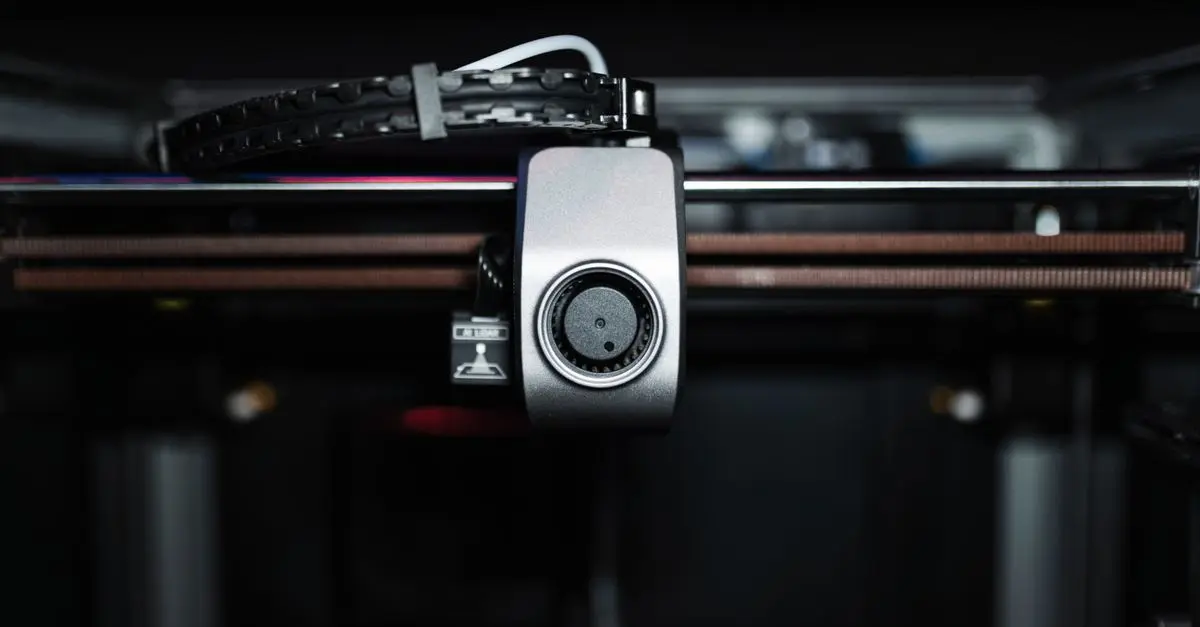
In the manufacturing phase, raw materials are transformed into components using diverse techniques. Processes like 3D printing, CNC machining, and injection molding are prevalent in this stage. These methods are chosen based on the material's nature and the desired product characteristics. For instance, 3D printing suits complex, lightweight parts, while CNC machining is ideal for precision.
Assembly Line Process
The assembled components undergo rigorous quality checks. Automated assembly lines enhance efficiency and ensure consistency across units. Wikipedia notes that this automation significantly reduces human error, ensuring that each gadget meets stringent quality standards. Furthermore, assembly lines are being restructured to integrate AI-powered robots, which optimize production rates and reduce labor costs.
📺 Resource Video
> 📺 For further insight: Smart Gadget Manufacturing Process Explained. Search on YouTube: "smart gadget manufacturing process explained 2026".
Quality Control and Environmental Considerations
Before a gadget reaches the consumer, it undergoes extensive quality testing. This includes checks for durability, performance, and energy consumption. As ADEME reports, prioritizing energy efficiency in these tests can lead to a 20% reduction in operational costs. The eco-friendly focus in quality control not only fulfills regulatory compliances but also appeals to environmentally conscious consumers.
Expert Opinion and Future Trends
> 💡 Expert Opinion: "As technology continues to evolve, the integration of AI and IoT in manufacturing processes is inevitable. This shift promises higher efficiency and adaptability in producing innovative gadgets," says Tech Analyst John Doe.
The future of smart gadget manufacturing is poised for exponential growth, driven by AI, IoT, and automation. Emerging trends suggest a focus on personalized gadgets tailored to unique user preferences. 60 Millions de Consommateurs predicts that consumer demand for such customized solutions will drive innovation in the sector.
- What are the main steps in smart gadget manufacturing?
The process includes design, prototyping, manufacturing, assembly, and quality control.
- How do manufacturers ensure gadget quality?
Through rigorous testing for performance, durability, and energy efficiency.
- What role does sustainability play in manufacturing?
Sustainability is crucial, with a focus on eco-friendly materials and energy-saving designs.
- How is AI impacting gadget manufacturing?
AI optimizes the assembly line, enhancing efficiency and reducing errors.
Glossary
| Term | Definition |
|---|---|
| Prototyping | Creating preliminary models for testing and refinement. |
| CNC Machining | A precision manufacturing process using computer-controlled tools. |
| IOT (Internet of Things) | Network of interconnected gadgets sharing data for optimal performance. |
Checklist Before Purchase
- [ ] Verify gadget functionality and durability.
- [ ] Ensure the gadget fits your budget and needs.
- [ ] Research energy efficiency ratings and sustainability.
- [ ] Check for software compatibility with existing devices.
- [ ] Review user reviews and expert opinions online.
🧠 Quiz rapide: What is a primary benefit of AI in manufacturing?
- A) Reduced labor costs
- B) Increased waste production
- C) Slower production rates
Réponse : A — AI reduces labor costs by optimizing the assembly line.