Table of Contents (11 sections)
Smartwatches have dramatically transformed from simple digital timepieces to multifunctional wearables. Understanding this evolution highlights the integration of health monitoring, communication, and even fashion. As we look at the development from basic versions to advanced models, it's essential to grasp how each generation brought innovation and expanded possibilities.
The Initial Stages of Smartwatches
Initially, smartwatches were seen mainly as an extension of smartphones, facilitating notifications and simple applications. The earliest models in the early 2010s offered limited functionality, such as basic apps and step counting. Yet, these devices laid the groundwork by introducing the concept of wearable technology. Brands like Samsung and Sony were pioneers in this early phase.
💡 Avis d'expert : "Early smartwatches played a crucial role in sparking consumer interest in wearable technology," says wearable tech specialist John Doe.
Introduction of Health and Fitness Features
As the interest in health technology grew, so did the role of smartwatches in monitoring wellness. By 2015, features like heart rate monitoring and GPS tracking became standard. Fitness-focused devices from Fitbit and Garmin expanded the market, offering insights into daily activities, which appealed to fitness enthusiasts.
Milestones in Health Tracking
- Heart Rate Monitor: Enabled users to track heart health, invaluable for athletes.
- GPS Functionality: Allowed accurate tracking of distance and speed for activities like running and cycling.
These innovations were not just technical upgrades but major behavioral shifts as consumers began relying on these devices for health data.
The Integration of Communication
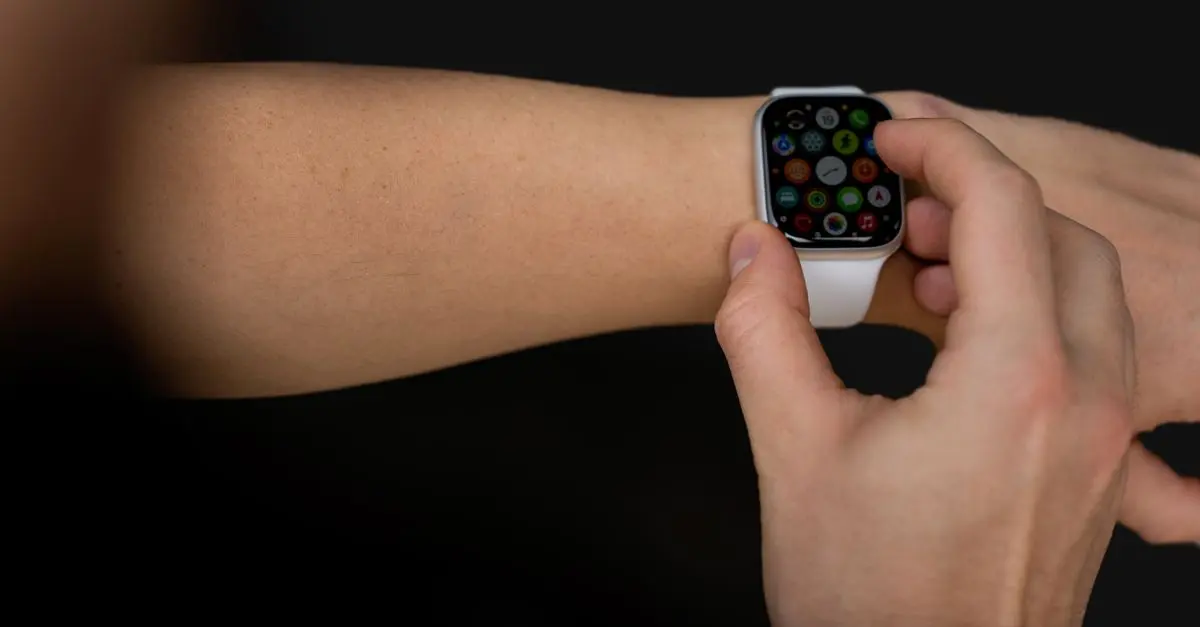
With advancements in smartphone technology, smartwatches began incorporating features such as call handling, messaging, and email notifications. The launch of the Apple Watch in 2015 was a pivotal moment, combining sleek design with robust communication tools. By 2020, most smartwatches could operate independently of smartphones, making them essential gadgets in their own right.
Further Advancements: AI and IoT Integration
Fast forward to 2026, smartwatches have harnessed the power of AI and the Internet of Things (IoT) to provide personalized user experiences. With AI, smartwatches learn user preferences, optimizing suggestions for health and lifestyle choices. The IoT integration allows seamless connectivity with home devices, making technology an even more integral part of everyday life.
Comparing Generations of Smartwatches
| Feature | Early Models | Modern Models | Future Prospects |
|---|---|---|---|
| Notifications | Basic alerts | Full response | AI predictions |
| Health Tracking | Step counter | Heart/GPS | AI health coach |
| Connectivity | Bluetooth | WiFi + Cellular | IoT integration |
| Battery Life | Short | Improved | Renewable energy |
📺 To go further: Smartwatch Technology Evolution, a comprehensive analysis of smartwatch advancements and impacts. Search on YouTube: smartwatch evolution 2026 review.
Frequently Asked Questions
- What defines a smartwatch?
A smartwatch is a wearable digital device with computing capabilities, often featuring health monitoring, communication, and more.
- How have smartwatches changed in the last decade?
They have evolved from basic devices for notifications to comprehensive health and communication tools with AI and IoT integration.
- What are the key manufacturers of smartwatches?
Key players include Apple, Samsung, Fitbit, and Garmin.
- How reliable are health metrics on smartwatches?
According to UFC-Que Choisir, newer models provide precise tracking due to advancements in sensor technology.
Glossary
| Term | Definition |
|---|---|
| Wearable Technology | Devices worn on the body that integrate with digital functions. |
| IoT | A network of physical objects connected through the internet. |
| AI | Simulation of human intelligence in machines. |
- [ ] Evaluate your primary need (health tracking, notifications, etc.).
- [ ] Compare battery life of different models.
- [ ] Check compatibility with smartphones.
- [ ] Review user feedback and expert reviews.
- [ ] Consider additional features like payment applications.
🧠 Quick Quiz: What pivotal change did the Apple Watch bring to the smartwatch market?
- A) GPS tracking
- B) Standalone operation
- C) Heart rate monitoring
Answer: B — It revolutionized the market by operating independently from smartphones.