Table of Contents (15 sections)
Introduction
Virtual reality (VR) has continuously evolved, creating immersive experiences that captivate users worldwide. By 2026, VR technology is more advanced, and choosing the right device can be challenging. This comprehensive virtual reality devices comparison will guide you through leading options, ensuring you make an informed decision.
Understanding Virtual Reality
Virtual reality transforms the way we interact with content by providing immersive, three-dimensional experiences that mimic the real world. The core of this technology lies in devices that offer users a seamless integration into virtual environments. According to Statista, the VR market is projected to reach $87 billion by 2026, highlighting its increasing popularity.
Key Components
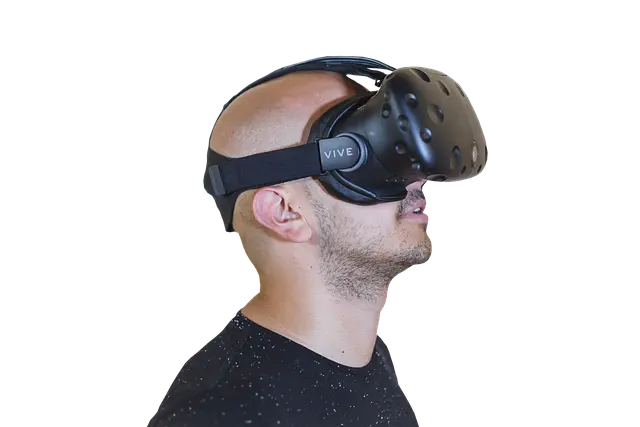
VR systems typically include head-mounted displays (HMDs), motion controllers, and sometimes sophisticated sensors. These devices work together to create a seamless bridge between real and virtual worlds. Meta, Sony, and HTC are leading brands bringing groundbreaking VR technology to consumers, with features that enhance both gaming and professional applications.
How to Choose a VR Device
Selecting a VR device involves several critical factors:
- Compatibility and Ecosystem
- Display Quality
- Comfort and Design
- Price and Budget
Choosing the right VR device depends on your intended usage. For instance, motion tracking capabilities are crucial for gaming, while field of view is imperative for cinematic experiences.
Top VR Devices Compared
Below is a markdown table comparing top VR devices based on essential criteria:
| Criteria | Meta Quest 2 | PlayStation VR 2 | HTC Vive Pro 2 |
|---|---|---|---|
| Display Quality | High-resolution | Impressive OLED | Ultra-high res |
| Comfort | Lightweight | Ergonomic design | Adjustable fit |
| Price | $300 | $550 | $800 |
| Verdict | Best for all | Best for console | Best for pros |
In-Depth Analysis
Display Quality
Display quality is pivotal in VR experiences, dictating the clarity and realism of visuals. High pixel density reduces the screen-door effect, creating a more seamless experience. Meta Quest 2 and HTC Vive Pro 2 boast outstanding resolution, enhancing user immersion.
Comfort and Ergonomics
Comfort is critical for prolonged VR use. Devices like the PlayStation VR 2 focus on ergonomic headbands and adjustable lenses, offering a snug fit without discomfort. According to user reviews, selecting a device that allows for extended use without strain is essential.
Pricing and Value
Price is a determining factor. Meta Quest 2, at $300, provides impressive features at an affordable price, whereas HTC Vive Pro 2 targets professionals seeking advanced features, justified by its $800 price tag. Budget considerations should align with desired features and usage frequency.
💡 Avis d'expert: According to Les Numériques, the combination of comfort and display quality significantly contributes to an effective VR system. Users should prioritize these aspects depending on their usage needs, whether for gaming, professional, or casual use.
📺 Resource Video
> 📺 For further exploration: Top VR Devices Review 2026, a comprehensive analysis of VR systems. Search on YouTube: "best VR headset 2026 review".
Frequently Asked Questions
- What are the primary uses of VR devices?
VR devices are primarily used for gaming, simulations, training, and immersive media experiences.
- Can VR devices be used for fitness?
Yes, many VR systems include fitness applications that allow for physical activity and exercise routines.
- Are VR devices compatible with all PCs?
Not all VR devices are compatible; it depends on the system requirements. Ensure your PC meets the specifications required by the VR brand.
- How do I minimize motion sickness in VR?
Choose a device with a high refresh rate and ensure it fits well to reduce lag and motion blur, which can cause discomfort.
Conclusion and Recommendations
Ultimately, selecting a VR device depends on personal preferences and intended use. For most users, the Meta Quest 2 offers excellent value and versatility. Console gamers should consider the PlayStation VR 2, while professionals might find the HTC Vive Pro 2 more suitable due to its precision and superior graphics.
Before purchasing, assess your needs carefully:
Checklist before Purchase
- [ ] Confirm compatibility with existing devices
- [ ] Compare display specs in detail
- [ ] Prioritize comfort for long sessions
- [ ] Set a budget that reflects your usage level
- [ ] Consider the brand ecosystem and available content
Glossary
| Term | Definition |
|---|---|
| HMD | Head-Mounted Display, a key component for VR viewing |
| Screen-Door Effect | Visual artifact where the display appears as if viewed through a screen door |
| Field of View | The observable world seen at any given moment in VR |
Remember, a successful VR experience starts with selecting the right device tailored to your specific needs and budget.